1304 Cozart street unit 230 Durham NC 27704, United States
Travel Blog
Two Countries, One Epic Safari, Discover Kenya and Tanzania’s Wild Heart
Posted by: Diana Gasper
Discover the best of East Africa in one unforgettable journey.
If you’ve ever dreamed of experiencing the heart of Africa its sweeping savannas, majestic wildlife, and vibrant cultures a combined Kenya and Tanzania safari is the adventure of a lifetime. This carefully curated package allows travelers to explore two of the continent’s most iconic safari destinations, seamlessly connecting Kenya’s Maasai Mara with Tanzania’s Serengeti and Ngorongoro Crater a journey that captures the essence of Africa’s untamed beauty.
As a professional tour organizer, we’ve designed this itinerary with one goal in mind: to give travelers a comprehensive, comfortable, and deeply authentic safari experience. From thrilling game drives and cultural encounters to luxurious lodges and breathtaking landscapes, this Kenya–Tanzania safari delivers it all and more.
Why Combine Kenya and Tanzania?
The border between Kenya and Tanzania is more than just a political line it’s a natural continuum of ecosystems that together form the stage for the Great Wildebeest Migration, one of the most spectacular wildlife events on Earth. By combining both countries in one safari, you’ll witness the seamless flow of nature from the golden plains of the Maasai Mara to the vast grasslands of the Serengeti, down to the volcanic caldera of the Ngorongoro Crater.
Here’s what makes this cross-border journey so special:
Year-round Wildlife Viewing: While the Migration moves with the seasons, both Kenya and Tanzania offer exceptional game viewing throughout the year. Whether it’s big cats on the prowl in the Mara or elephants crossing the Serengeti plains, every moment is pure magic.
Variety of Ecosystems: Kenya’s highland savannas contrast beautifully with Tanzania’s rolling plains and volcanic craters. Together, they form one of the richest wildlife regions on Earth.
Cultural Encounters: Meet the iconic Maasai and Datoga tribes, learn their traditions, and experience their way of life a cultural immersion that few travelers ever forget.
Luxury Meets Wilderness: From boutique tented camps overlooking the Mara River to eco-lodges nestled on the rim of Ngorongoro, our accommodations blend comfort with authenticity.
Highlights of the Kenya–Tanzania Safari
1. The Maasai Mara National Reserve – Kenya
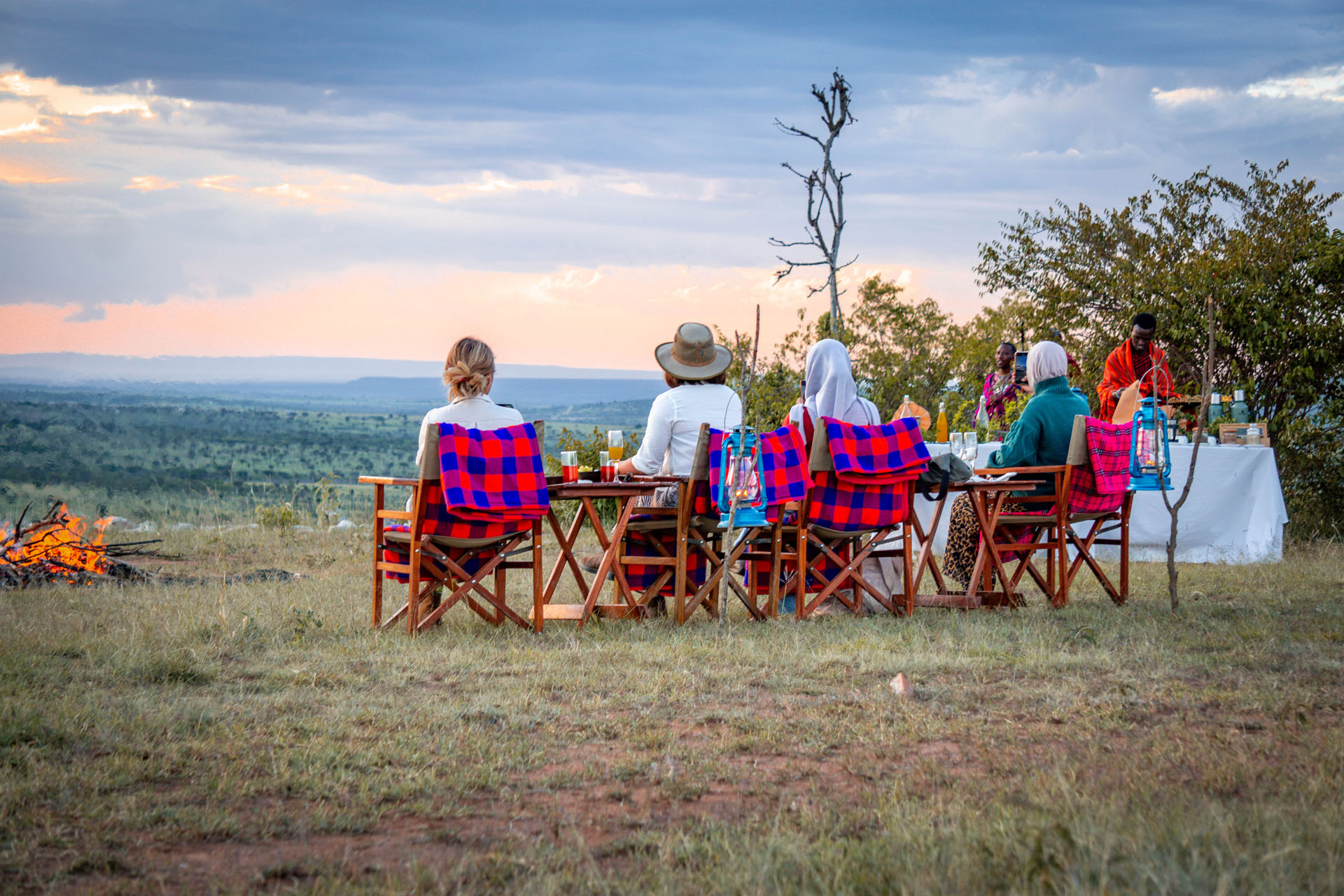
Your journey begins in Kenya’s Maasai Mara, one of Africa’s most celebrated safari destinations. Known for its high concentration of wildlife, the Mara is home to the Big Five lions, leopards, elephants, buffaloes, and rhinos as well as cheetahs, hyenas, hippos, crocodiles, and over 400 bird species.
Best Experience:
If you visit between July and October, you’ll witness the dramatic Wildebeest Migration, where over two million animals thunder across the plains in search of greener pastures often pursued by predators. The Mara River crossing is a heart-pounding spectacle of life and survival.
Activities Include:
- Morning and afternoon game drives with professional guides
- Optional hot-air balloon safari at sunrise
- Maasai village visit for an authentic cultural experience
2. Serengeti National Park – Tanzania
Crossing into Tanzania, the adventure continues in the Serengeti National Park, a UNESCO World Heritage Site and one of the most famous wildlife reserves on the planet. Its name means “endless plains” in the Maasai language and once you stand before the vast horizon dotted with acacia trees and grazing animals, you’ll understand why.
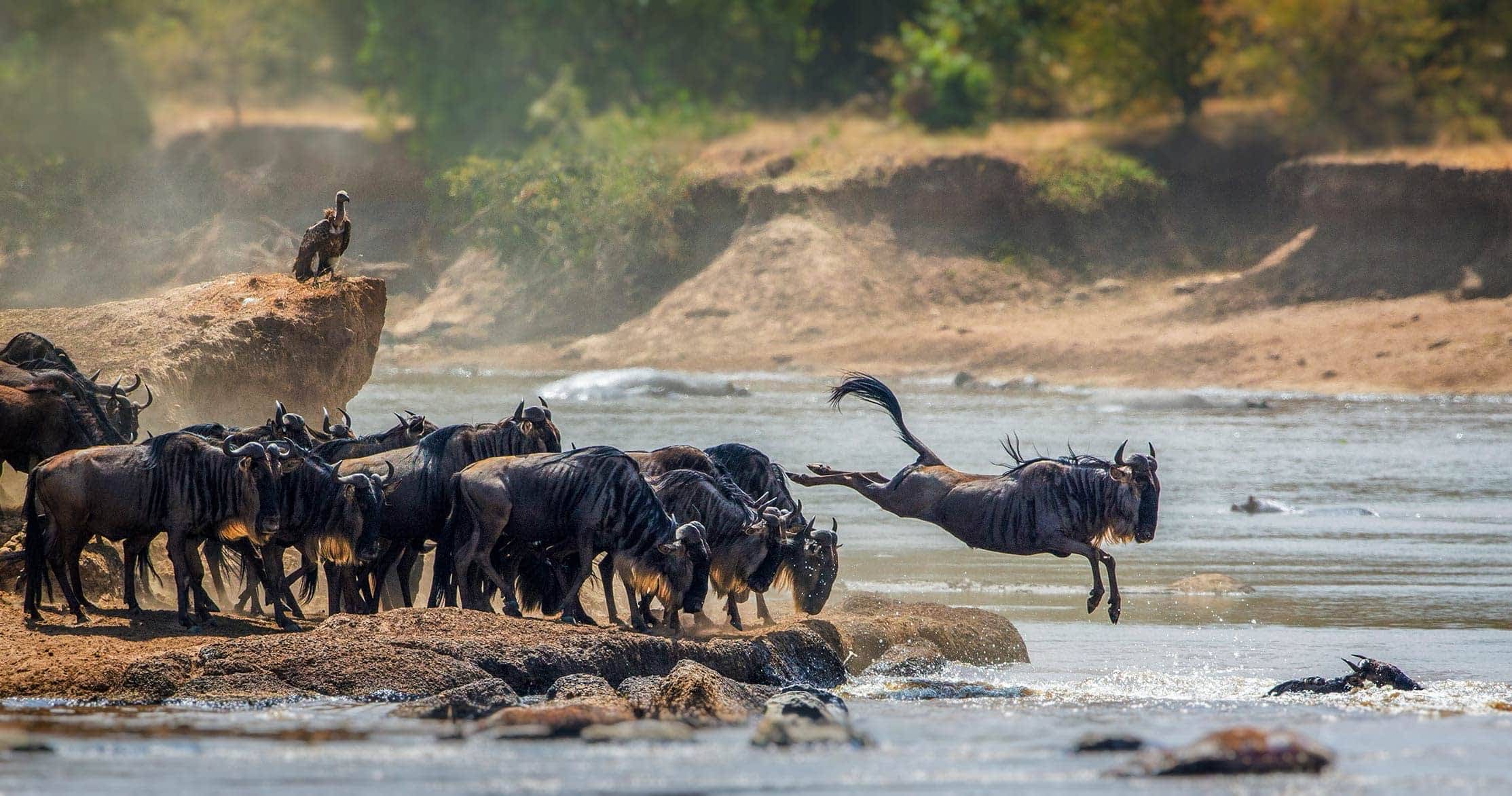
What to Expect:
The Serengeti is the beating heart of the Great Migration, offering unmatched opportunities to see lions on the hunt, herds of elephants on the move, and dazzling sunsets that paint the savanna in gold and crimson.
Activities Include:
- Full-day game drives across the central and southern Serengeti
- Scenic picnic lunches in the wild
- Optional night game drives (in selected areas)
Did You Know?
The Serengeti hosts one of the world’s largest lion populations more than 3,000 individuals roam freely here, making it the best place in Africa to spot big cats.
3. Ngorongoro Crater – Tanzania
A short drive from the Serengeti takes you to the Ngorongoro Conservation Area, home to the legendary Ngorongoro Crater often called Africa’s Eden. This ancient volcanic caldera is a natural enclosure teeming with wildlife, offering some of the most concentrated game viewing anywhere on Earth.
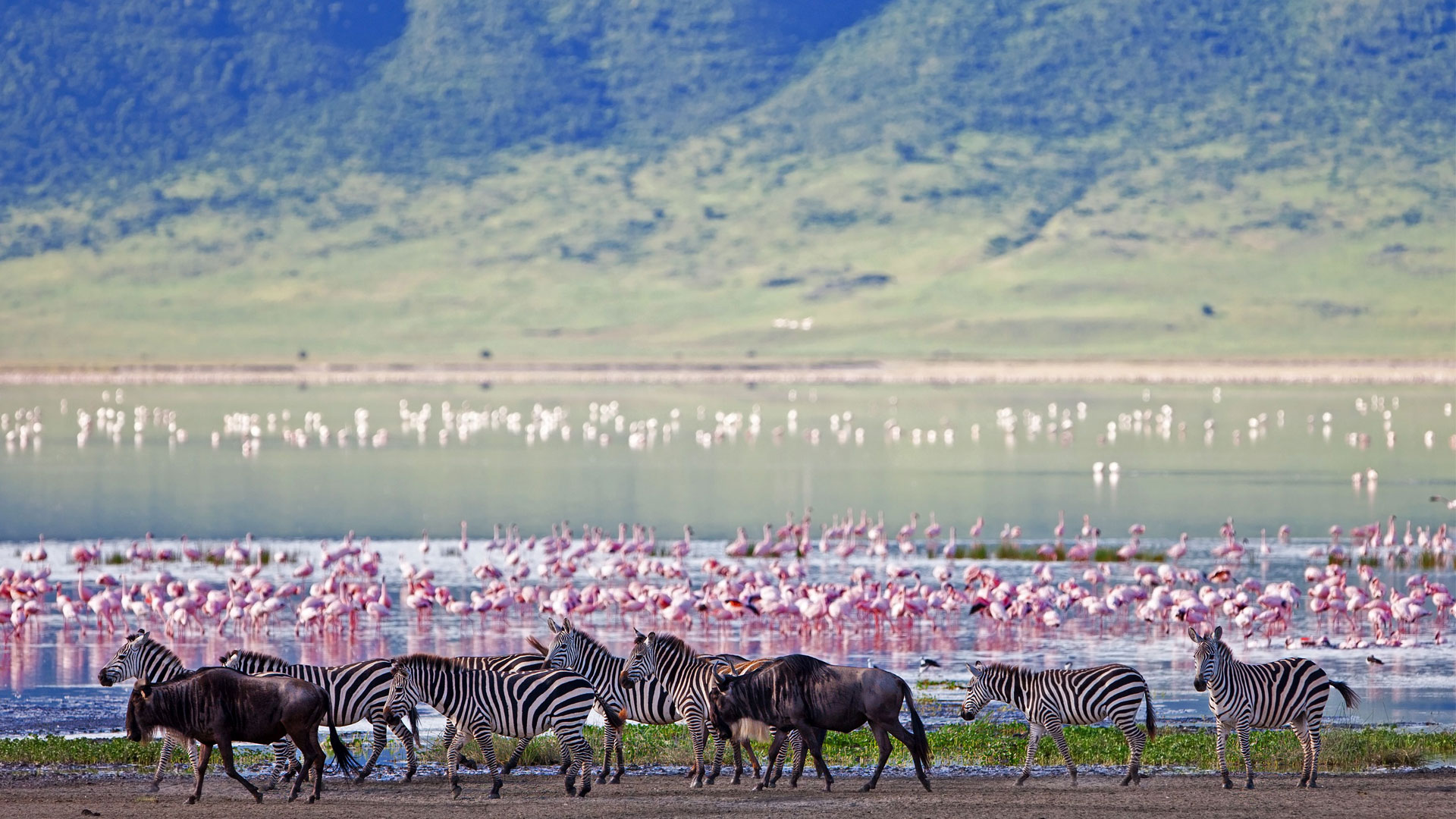
Highlights:
- Descend 600 meters into the crater floor for an incredible game drive
- Spot black rhinos, flamingos, zebras, lions, and more
- Enjoy a picnic lunch with views over the crater lake
- The crater’s unique ecosystem supports over 25,000 large animals, and the scenery is as breathtaking as the wildlife.
4. Lake Manyara or Tarangire National Park – Tanzania (Optional Add-on)
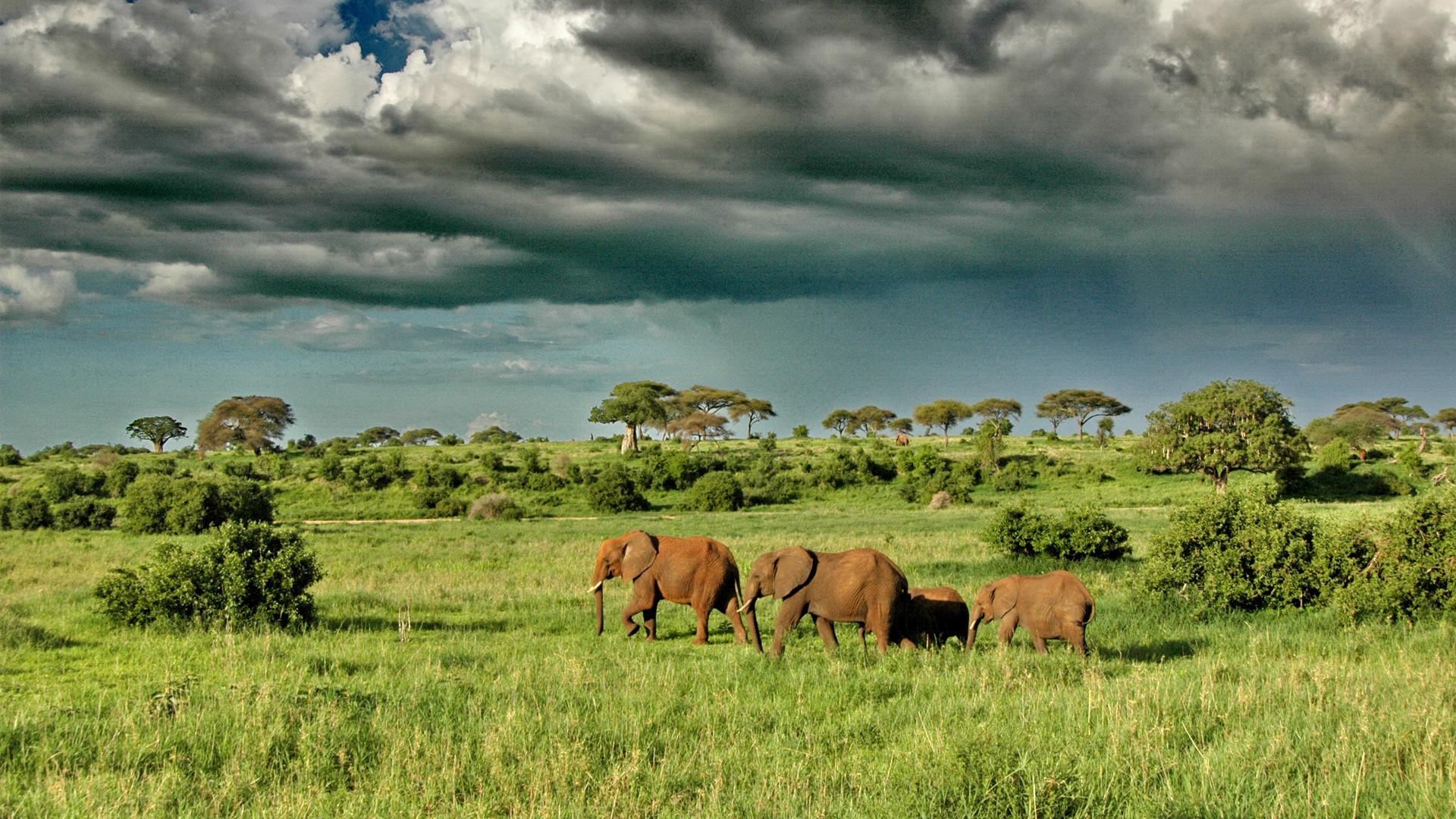
For travelers with extra time, we recommend extending your trip to include either Lake Manyara famous for its tree-climbing lions and pink flamingos or Tarangire National Park, known for its massive elephant herds and iconic baobab trees.
Both parks offer a tranquil contrast to the vast plains and are ideal for photography and bird watching.
Accommodation: Luxury in the Heart of the Wild
Our Kenya–Tanzania safari package includes a carefully selected mix of luxury lodges and tented camps that immerse you in nature without sacrificing comfort. Expect spacious en-suite tents, gourmet dining under the stars, and attentive service from friendly local staff.
Examples include:
- Mara Serena Safari Lodge or Entim Camp (Maasai Mara)
- Serengeti Serena Lodge or Kubu Kubu Tented Camp (Serengeti)
- Ngorongoro Serena Lodge or Neptune Ngorongoro Lodge (Ngorongoro)
Each property is strategically located for optimal wildlife viewing while supporting sustainable tourism practices that benefit local communities and conservation efforts.
Travel Facts and Tips
Best Time to Visit:
- June to October: Ideal for wildlife viewing and the Great Migration crossings.
- November to May: Lush landscapes and excellent bird watching during the green season.
Visa and Border Crossing:
Travelers typically require separate visas for Kenya and Tanzania. Our team handles all logistics, including border transfers between the Isebania or Namanga border posts.
Getting Around:
Enjoy comfortable 4x4 safari vehicles with pop-up roofs for photography, driven by experienced guides who know every inch of the bush. For those who prefer less time on the road, optional domestic flights between destinations can be arranged.
Packing Essentials:
- Neutral-colored safari clothing
- A good camera and binoculars
- Sunscreen, hat, and insect repellent
- Light jacket for cool mornings and evenings
Why Choose a Combined Kenya–Tanzania Safari Package?
Choosing a cross-border safari allows travelers to experience the full diversity of East Africa in one smooth, well-organized itinerary. Instead of limiting your adventure to one country, this package lets you explore multiple ecosystems, cultures, and wildlife experiences all within a single trip.
Here’s why our clients love it:
Two Legendary Safari Destinations, One Seamless Trip:
Experience the magic of the Maasai Mara and the Serengeti without worrying about complicated transfers or planning we handle it all.
Exclusive Wildlife Encounters:
From the Big Five to the Great Migration, you’ll have front-row seats to nature’s most extraordinary performances.
Authentic Cultural Immersion:
Meet Maasai warriors, visit local markets, and witness traditional dances that tell centuries-old stories.
Tailor-Made for Every Traveler:
Whether you’re a honeymoon couple, family, or solo adventurer, we customize each itinerary to suit your pace, interests, and budget.
Sustainable and Responsible Travel:
We partner with eco-conscious lodges and local communities to ensure your safari supports conservation and creates positive local impact.
Sample Itinerary: 10-Day Kenya–Tanzania Safari
Day 1–2: Arrival in Nairobi – Transfer to Maasai Mara National Reserve
Day 3–4: Full-day game drives in the Mara
Day 5–7: Cross to Serengeti via Isebania border Explore the central and southern Serengeti
Day 8–9: Drive to Ngorongoro – Descend into the Crater for a full-day game drive
Day 10: Optional visit to Lake Manyara / Departure from Arusha
(Custom itineraries available on request.)
Final Thoughts: The Journey of a Lifetime
A combined Kenya and Tanzania safari is more than just a holiday it’s an awakening. It’s where the rhythm of nature humbles you, where the golden light of dawn paints endless savannas, and where every moment feels timeless. Whether you’re watching elephants cross a dusty plain, hearing lions roar in the distance, or sharing stories around a campfire under a sky full of stars you’ll realize that Africa changes you forever.
Let our expert team plan this once-in-a-lifetime journey for you.
With professional guides, handpicked lodges, and personalized service from start to finish, we promise a safari that’s effortless, immersive, and unforgettable.
Travel Blog
Expert Guides Making Your Moroccan Journey Effortless
Posted by: Diana Gasper
Morocco is a land of magic, mystery, and contrasts a place where centuries-old traditions meet vibrant modern life, where desert landscapes give way to lush waterfalls, and medinas pulse with color, sound, and life. Our 7-day Morocco tour package is designed to give you the most immersive experience possible, taking you through the country’s most iconic cities, stunning natural landscapes, and culturally rich destinations.
Whether you are a first-time traveler to North Africa or a seasoned explorer, this tour offers an authentic Moroccan experience, blending culture, history, and adventure in a seamless, expertly guided journey. This is more than just a tour it’s a journey into the heart of Morocco, crafted to create memories that will last a lifetime.
Why Morocco?
Morocco has a unique allure that draws travelers from all corners of the world. The country is a tapestry of experiences: from the bustling markets of Marrakech to the winding alleys of Fez, from the azure waters of Tangier to the serene majesty of the Middle Atlas Mountains. Morocco is a country of contrasts, where ancient traditions are alive in the present, and where every turn brings new discoveries.
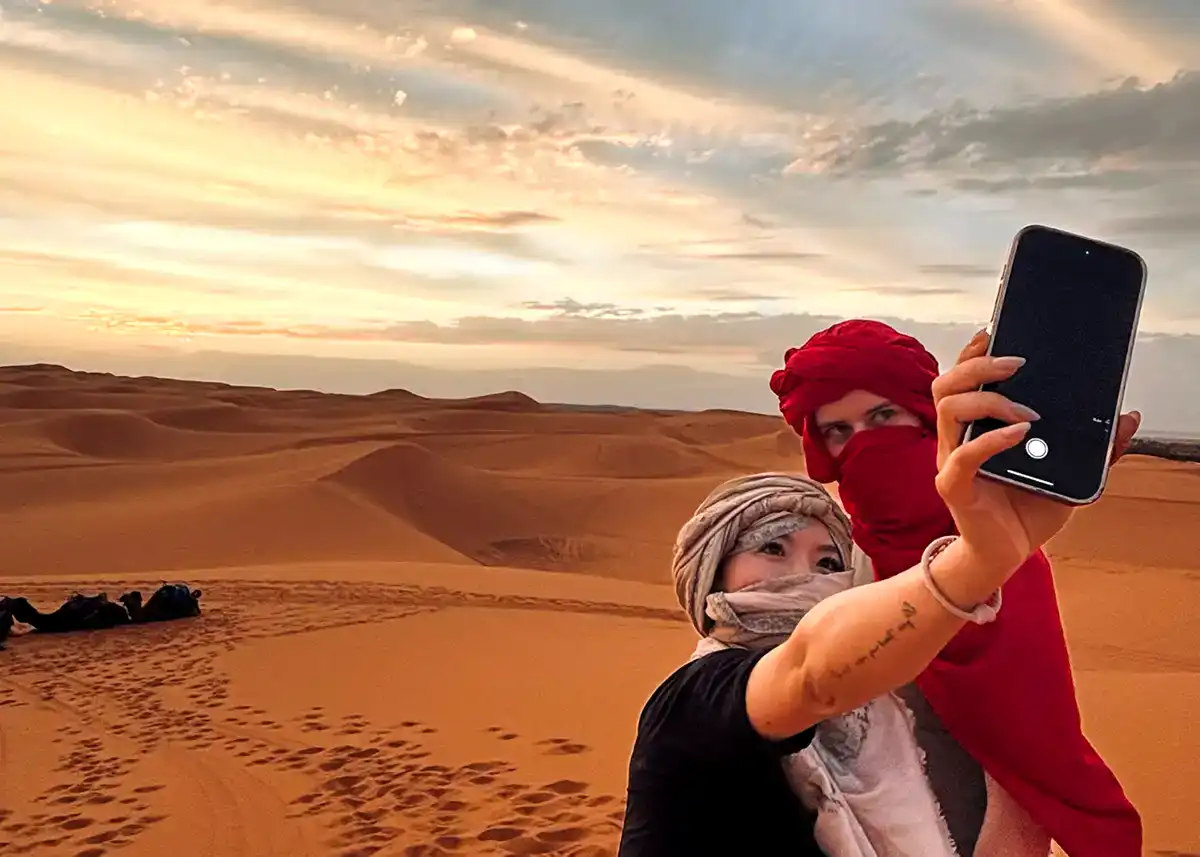
Travelers often choose Morocco for its rich cultural heritage, remarkable architecture, and scenic diversity. The cities are filled with UNESCO-listed medinas, stunning palaces, and centuries-old mosques. Outside the urban centers, Morocco’s landscapes range from dramatic waterfalls like Ouzoud to rolling hills and coastal towns with timeless charm. For travelers seeking a combination of history, adventure, and local immersion, Morocco offers an unmatched experience.
The Value of a Curated Moroccan Package
Booking a structured tour package like ours is the key to unlocking the best of Morocco without stress. While Morocco is a traveler’s dream, navigating it independently can be overwhelming due to its bustling cities, busy markets, and unfamiliar transport systems. Our package removes that uncertainty, offering hassle-free travel with expert planning.
We handle all logistics: airport transfers, hotel accommodations, guided tours, and curated excursions. You can relax, knowing your trip is smooth and worry-free. More importantly, our package ensures that you see and experience Morocco’s highlights in a way that is both authentic and enriching.
Highlights of the Moroccan Experience
1. Marrakech: A City of Vibrancy and Tradition
Marrakech is a city that captures the essence of Morocco. Known as the “Red City” for its terracotta-colored buildings, Marrakech is a hub of culture, cuisine, and history. With our package, you will explore the famous Jemaa el-Fnaa Square, a lively hub where snake charmers, street performers, and traditional food stalls create an unforgettable atmosphere.
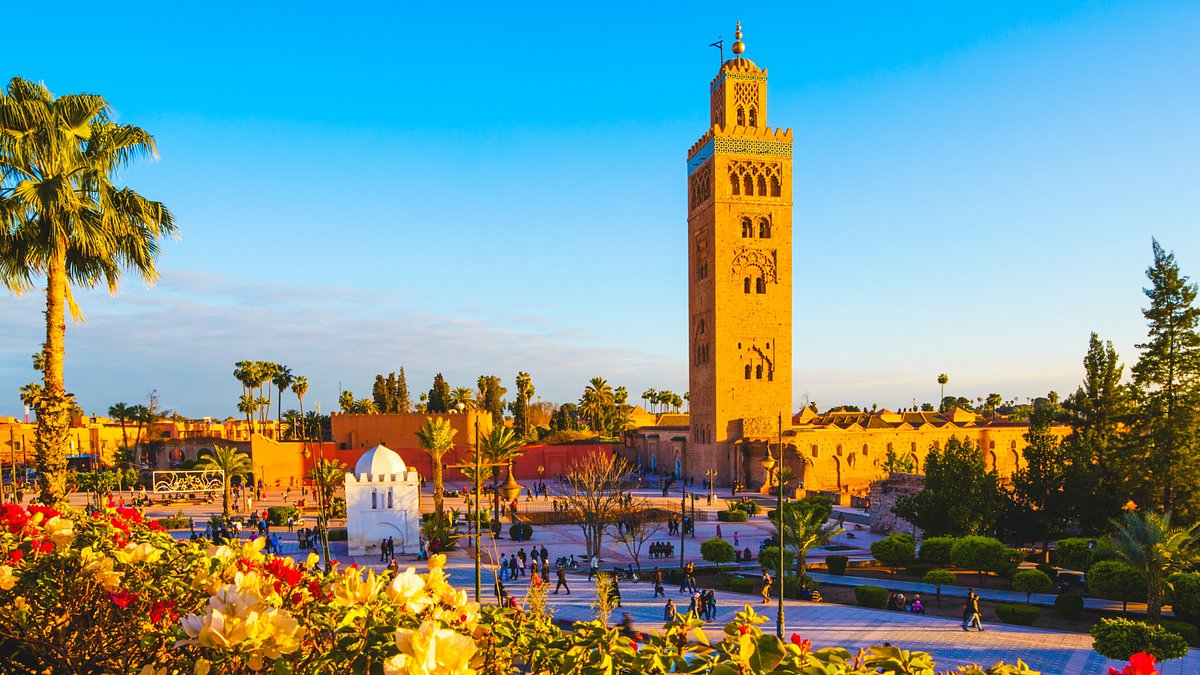
YYou’ll also visit iconic landmarks such as the Koutoubia Mosque, the largest mosque in Marrakech, and the exquisite Bahia Palace, known for its stunning architecture and lush gardens. The city’s medina a UNESCO World Heritage Site is a maze of narrow streets lined with markets selling spices, textiles, ceramics, and jewelry.
Booking this package ensures you experience Marrakech in a structured, guided way, so you can fully appreciate the city’s rich history and dynamic energy without getting lost or overwhelmed.
2. Ouzoud Falls: Nature’s Majestic Beauty
The Ouzoud Falls in the Middle Atlas Mountains are one of Morocco’s most breathtaking natural wonders. Standing at 110 meters tall, these cascading waterfalls offer a serene escape from city life. Our package includes a short boat ride and a chance to observe the local wildlife, including playful wild macaques.
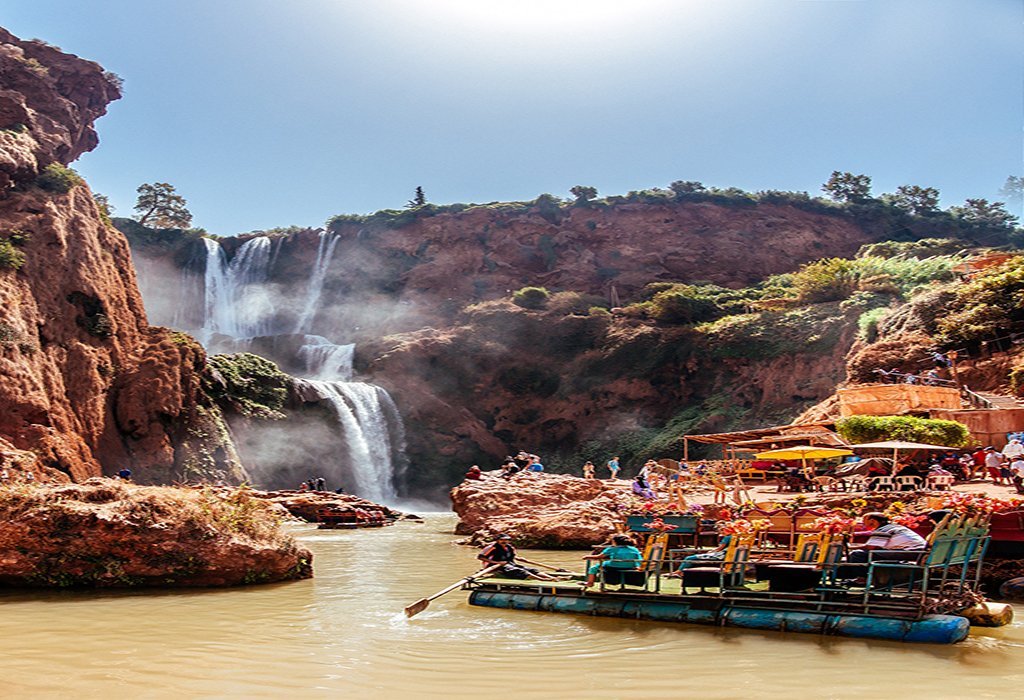
Experiencing Ouzoud Falls is not just about the view; it’s about connecting with Morocco’s natural landscapes. The surrounding gorges, cliffs, and greenery provide perfect photo opportunities and unforgettable memories. By traveling with us, you gain access to the best vantage points, local insights, and comfortable logistics to enjoy this wonder fully.
3. Fez: Morocco’s Cultural Heart
Fez is the oldest imperial city in Morocco and a hub of culture, history, and craftsmanship. Our package includes guided visits to the Royal Palace, the Jewish Quarter, and the Tanners’ Quarter, where centuries-old leather-making traditions continue to thrive. The Medina of Fez, a UNESCO World Heritage Site, is one of the best-preserved in the Arab world and offers an authentic glimpse into Moroccan life.
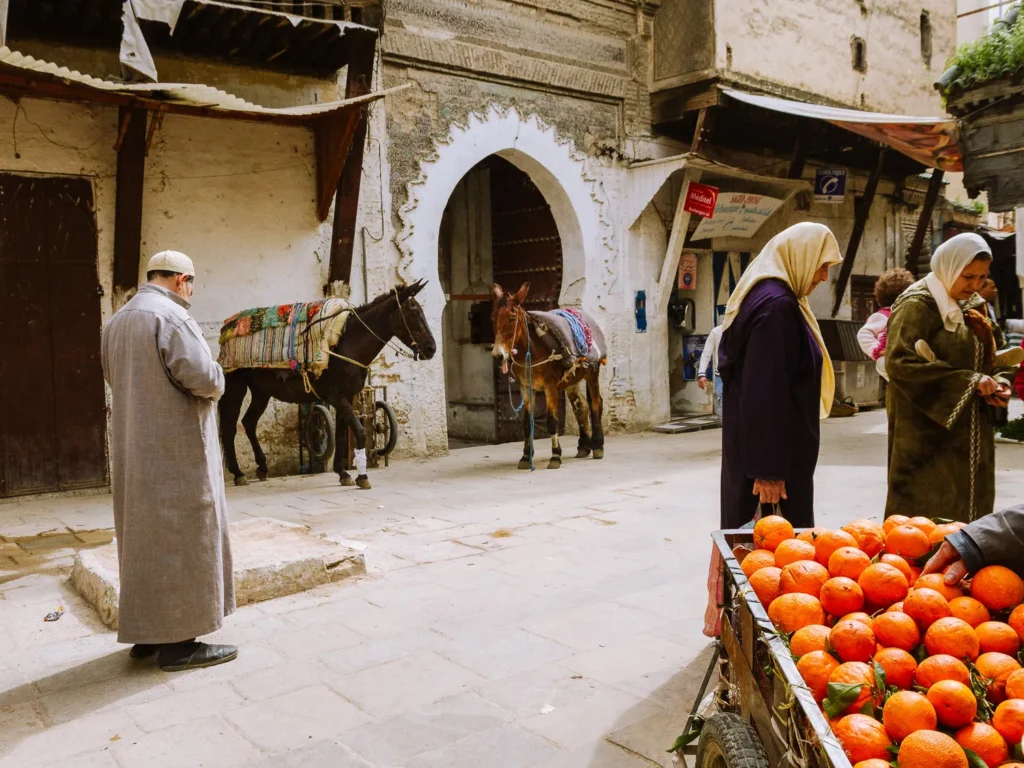
Traveling independently, it’s easy to miss the city’s hidden gems or get lost in its labyrinthine streets. Our guided tour ensures you experience Fez’s cultural richness, historical significance, and vibrant local life with confidence and ease.
4. Tangier and Asilah: Coastal Charm and History
Tangier, with its blend of modernity and history, offers a fascinating glimpse into Morocco’s coastal life. Free time in Tangier allows travelers to explore local markets, enjoy seaside views, and soak in the city’s vibrant atmosphere. Our package continues to Asilah, a walled town on the Atlantic coast known for its colorful murals, charming streets, and artistic community.
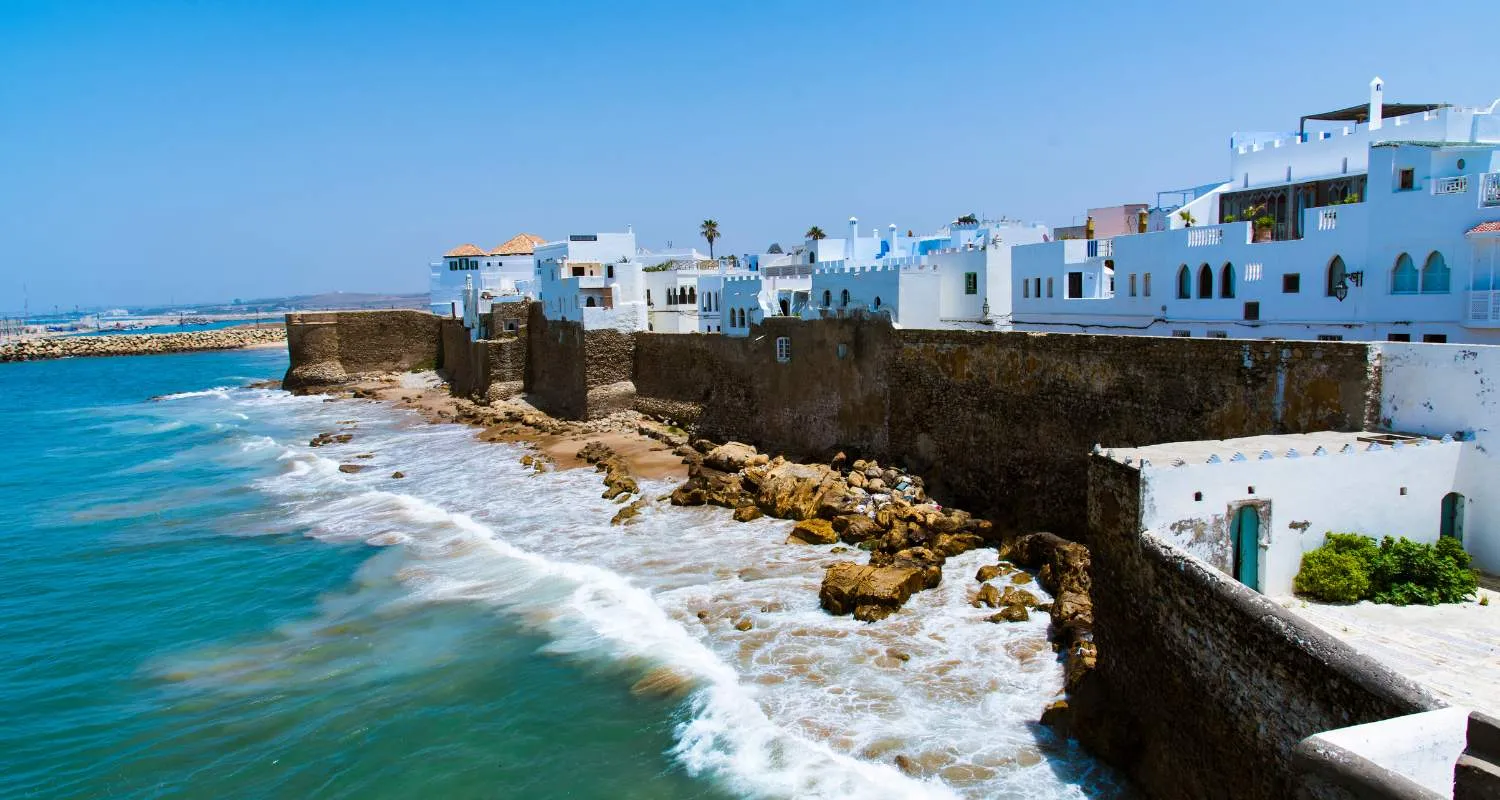
The structured tour ensures you can explore these destinations at a comfortable pace, with insider insights that bring the towns’ history and culture to life.
5. Rabat and Casablanca: Royal and Architectural Wonders
No Moroccan adventure is complete without visiting the capital, Rabat, and the bustling economic hub, Casablanca. In Rabat, travelers explore the Royal Palace, the Mausoleum of Mohammed V, and the Kasbah of the Udayas, all rich in history and architectural beauty. Casablanca offers a glimpse of modern Morocco and includes a visit to the Hassan II Mosque, one of the largest mosques in the Arab world.
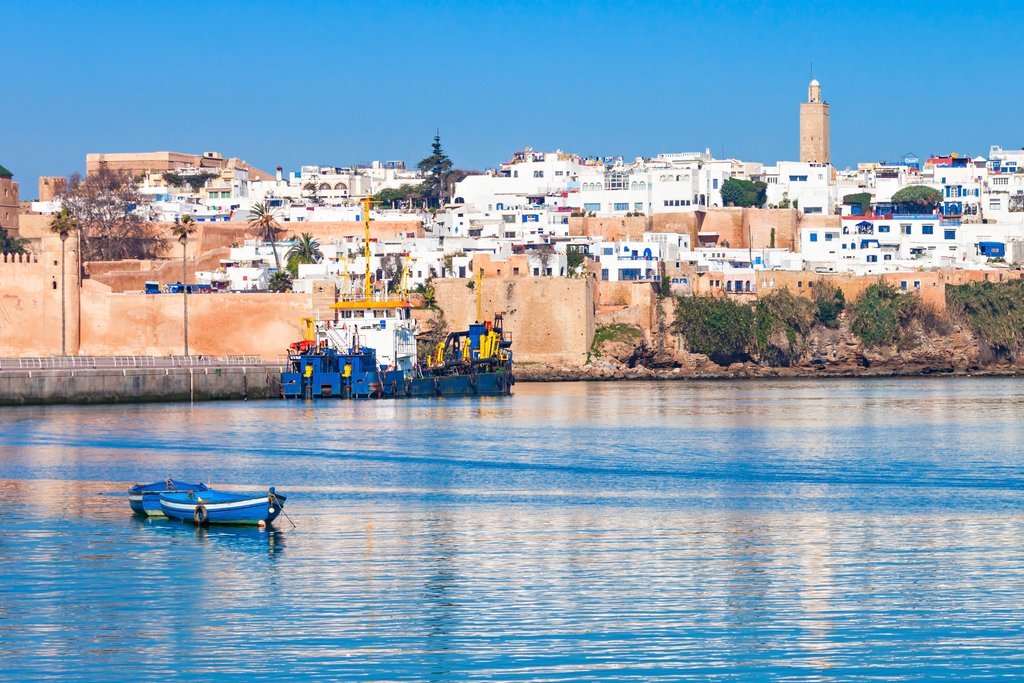
By booking this package, travelers can experience Morocco’s royal and modern highlights without navigating complex city logistics on their own.
Why Choose Us for Your Moroccan Adventure?
Expert Guidance
Our tours are led by knowledgeable local guides who bring Morocco’s history, culture, and traditions to life. Their insights ensure that you gain a deeper understanding of every city, landmark, and experience, turning a sightseeing trip into a rich cultural journey.
Authentic Local Experiences
This package prioritizes cultural immersion. Travelers have the opportunity to interact with locals, savor traditional Moroccan cuisine, witness artisan crafts, and engage in authentic experiences that go beyond standard tourist activities.
Hassle-Free Planning
From airport pickups to hotel accommodations, our team handles all logistics, leaving you free to focus on enjoying the journey. Every detail is carefully planned to maximize comfort, safety, and enjoyment.
Memorable Adventures
From horseback carriage rides in Marrakech to boat trips at Ouzoud Falls and scenic coastal strolls in Asilah, every element of this package is designed to create unforgettable memories. Travelers leave with a deep appreciation for Morocco’s beauty, culture, and history.
Perfect for Every Traveler
Whether you’re a solo traveler, a couple, or a family, this package caters to a wide range of interests and travel styles. It combines cultural exploration, nature adventures, and city highlights in a way that ensures every traveler leaves with a fulfilling experience.
Booking This Package: What You Gain
Choosing our 7-day Morocco tour package means you don’t just see Morocco you experience it fully. You gain:
- Expertly curated travel experiences designed to highlight Morocco’s best destinations.
- Comfortable accommodations and seamless transfers between cities.
- Authentic cultural and culinary experiences.
- Professional guidance from local experts.
- Hassle-free planning so you can focus on creating lasting memories.
This package is designed to provide maximum value, combining luxury, comfort, and adventure at a pace that allows you to truly connect with Morocco’s diverse landscapes and vibrant culture.
The Takeaway
Morocco is a destination that leaves a lasting impression its colors, sounds, tastes, and sights linger in your memory long after your trip ends. By choosing our 7-day Morocco package, you are ensuring a safe, immersive, and unforgettable journey through some of the country’s most iconic cities and natural wonders.
Whether it’s the bustling streets of Marrakech, the serene Ouzoud Falls, the historic medinas of Fez, or the coastal charm of Tangier and Asilah, this tour provides a seamless blend of culture, adventure, and relaxation. With professional guidance, authentic experiences, and carefully curated itineraries, every traveler can enjoy Morocco at its finest.
Don’t just visit Morocco experience it fully. Book your Moroccan adventure today and embark on a journey that will stay with you for a lifetime.
Travel Blog
London to Rhine Valley, The Ultimate European River Cruise Experience
Posted by: Diana Gasper
If you've been dreaming of a European adventure that combines iconic cities, legendary landscapes, and luxury river cruising, the London to Rhine Valley cruise might be exactly what you're looking for. This 11-day journey through England, the Netherlands, Germany, and France offers an enchanting blend of history, culture, and breathtaking scenery that will leave you with memories to last a lifetime.
Why This Cruise Stands Out
Unlike traditional cruises that focus solely on the water, this journey begins with three immersive days in London before transitioning to a spectacular Rhine River cruise aboard the MS Crucevita. It's the perfect combination for travelers who want the best of both worlds: vibrant city exploration and serene river sailing.
Your Journey Begins: London
The adventure starts in one of the world's most captivating cities. Over three days, you'll discover London's most treasured landmarks with expert local guides. Picture yourself watching the Changing of the Guard at Buckingham Palace, exploring the vast collections of the British Museum (one of the world's oldest museums), and strolling along the River Thames as history unfolds around you.

But London isn't just about the famous sights. You'll experience the city's contemporary culture too, from the eclectic street markets of Camden to the electric atmosphere of Leicester Square, Chinatown, and Soho. These neighborhoods come alive in the evening with theaters, restaurants, and entertainment that showcase London's modern vibrancy.
Crossing to the Continent
The transition from England to the Netherlands is an adventure in itself. Board an overnight ferry from Harwich to Hoek van Holland, staying in comfortable en suite cabins as you sail across the North Sea. It's a unique travel experience that adds an extra layer of excitement to your journey.
The Dutch Experience
Your first stop in the Netherlands is Volendam, a picturesque fishing village that seems frozen in time. Traditional wooden houses line the waterfront, and the village's maritime heritage is palpable in every corner.
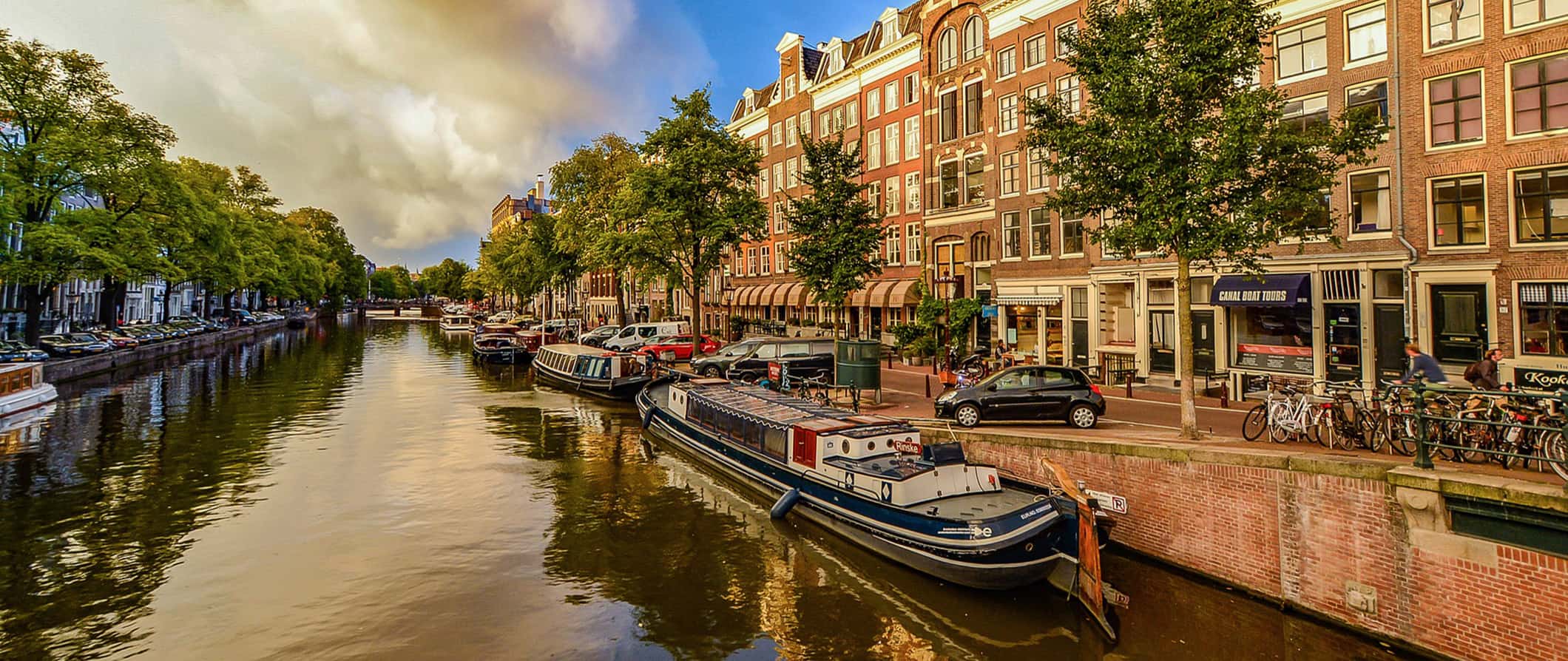
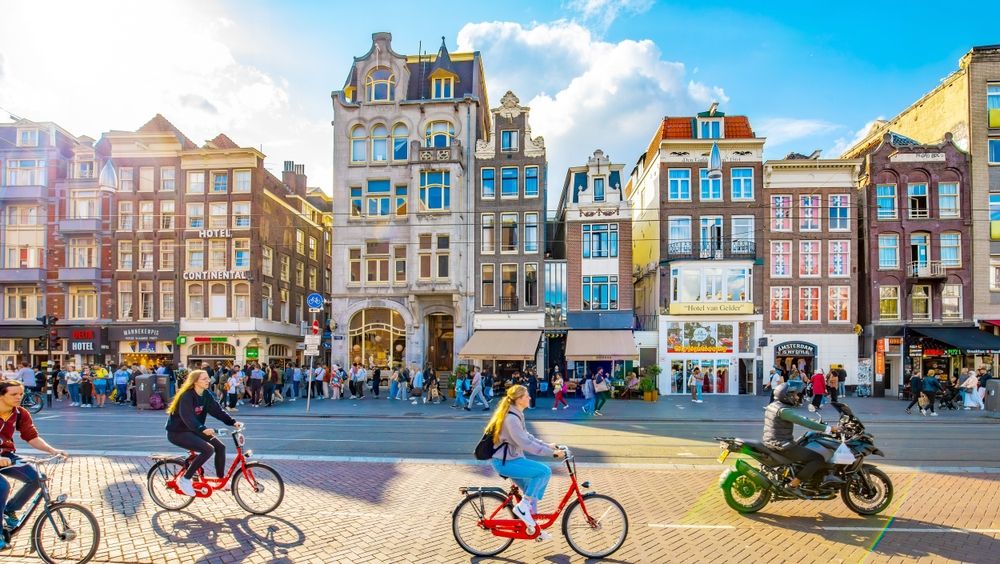
Then comes Amsterdam, one of Europe's most fascinating cities. During your two-day stay, you'll tour the canal-lined streets, witness the famous diamond-cutting technique that the city is renowned for, and have ample time to explore world-class museums. Evening transfers to Rembrandtplein place you in the heart of Amsterdam's dining and entertainment scene, perfect for experiencing the city's cosmopolitan nightlife.
Aboard the MS Crucevita
Day five marks the beginning of your Rhine River cruise. As you board the MS Crucevita, a 4+ star vessel, you'll be welcomed with a reception and dinner that sets the tone for the luxurious week ahead. Full-board service means you'll never have to worry about where your next meal is coming from, allowing you to fully immerse yourself in each destination.
Nijmegen: Where History Runs Deep
Your first port of call is Nijmegen, the Netherlands' oldest city. With roots stretching back to Roman times, this historic gem offers well-preserved archaeological sites and monuments that tell stories spanning millennia. The city center invites leisurely exploration, with landmarks like St. Stevenskerk and the Valkhof Museum providing windows into centuries of Dutch history.
Cologne: A German Icon
Rising early, you'll arrive in Cologne, one of Germany's most important cities. The walking tour through the historic center builds to a crescendo at the magnificent Cologne Cathedral (Kölner Dom), a Gothic masterpiece that dominates the skyline. The afternoon is yours to explore the city's famous breweries, shop along bustling streets, or discover why Cologne is synonymous with perfume.
The Romantic Rhine: A UNESCO Masterpiece
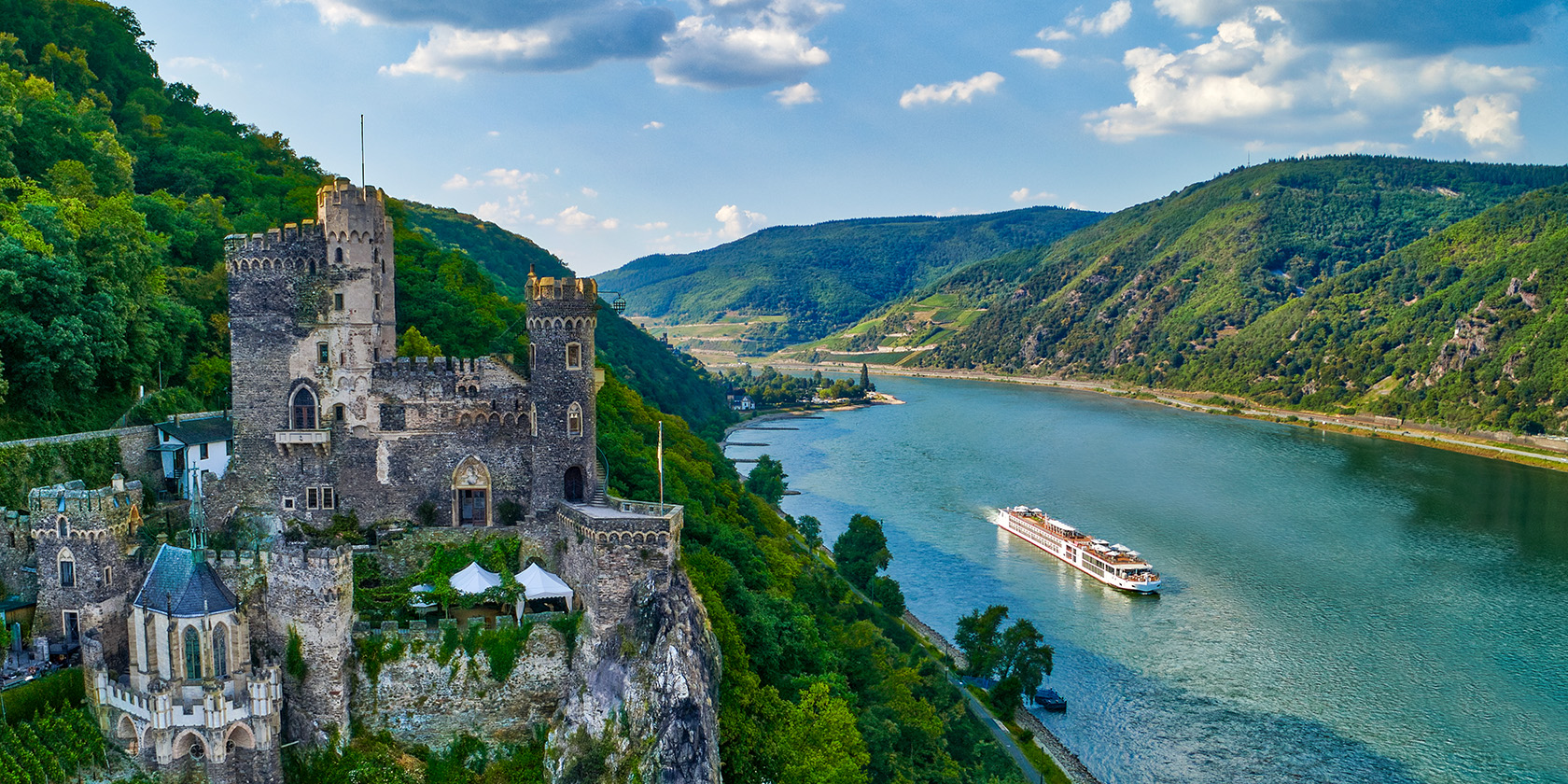
Day nine brings what many consider the highlight of any Rhine cruise: the Romantic Rhine. This 65-kilometer stretch is recognized as a UNESCO World Heritage Site, and once you're sailing through it, you'll understand why. Medieval castles perch on hilltops, terraced vineyards cascade down steep slopes, and charming villages dot the riverbanks. The legend of the Loreley siren adds a mythical dimension to this already magical landscape.
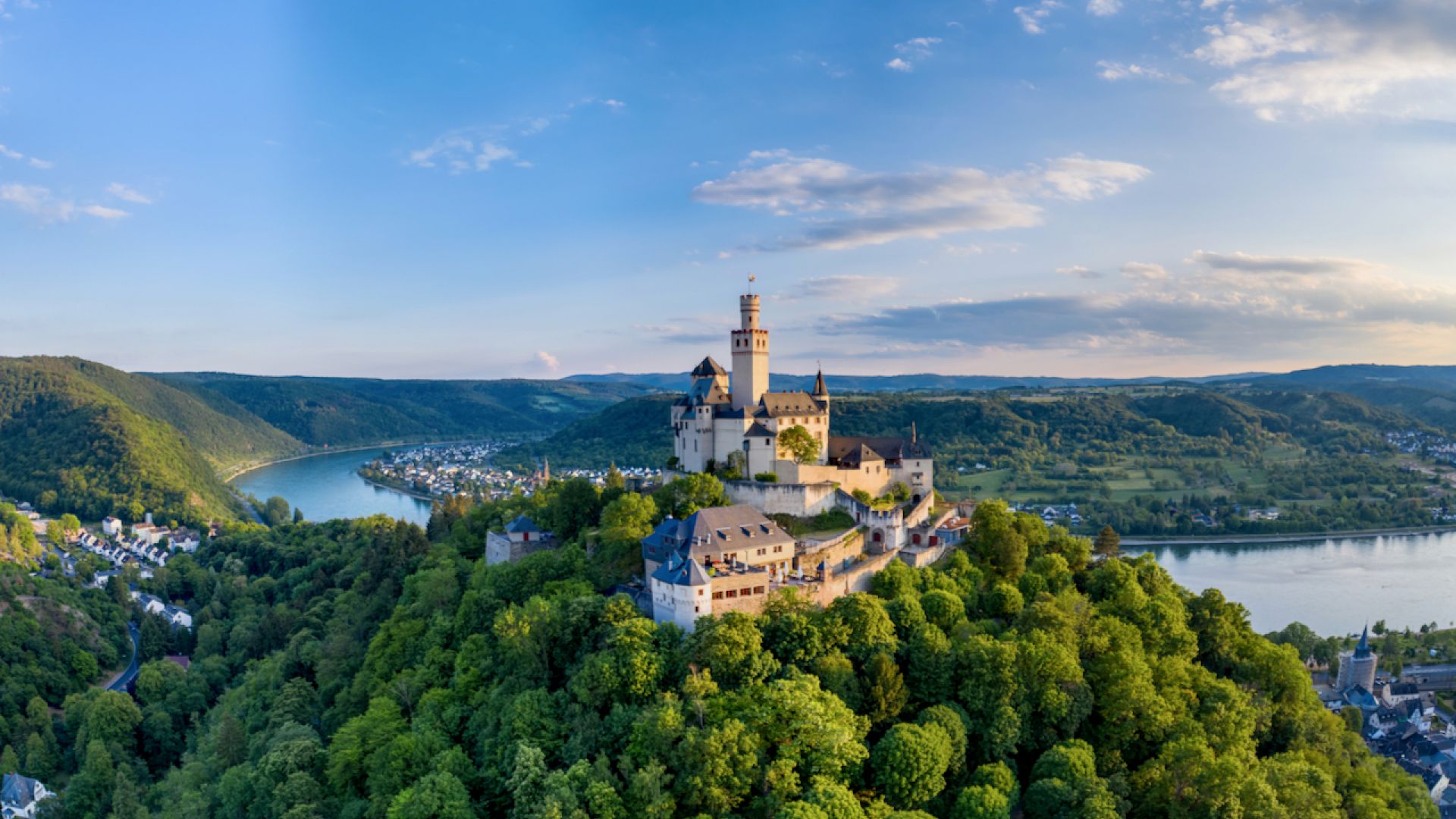
You'll visit both Koblenz and Rüdesheim, the gateway cities at either end of this spectacular route. Each offers its own character and charm, from historic town squares to wine taverns serving the region's famous Riesling.
Innovation and Romance
Mannheim might not be as famous as some European cities, but its contribution to human progress is remarkable. This is where the two-wheeled bicycle was invented, where the first automobile drove, and where the world's first rocket plane took flight. From Mannheim, you'll visit nearby Heidelberg, home to Germany's oldest university and a stunning hilltop palace that overlooks the Neckar River. It's a city that has inspired poets and philosophers for centuries.
Strasbourg: Where France Meets Germany
The cruise's final major stop is Strasbourg, capital of the Alsace region. This city embodies the cultural fusion of France and Germany, with half-timbered houses, Gothic architecture, and a cuisine that draws from both traditions. The guided tour reveals the city's most significant landmarks, while free time allows you to savor the atmosphere of one of Europe's most beautiful cities. An optional excursion to Colmar, another Alsatian gem, offers an even deeper dive into this enchanting region.
The Journey's End
You'll wake on the final morning in Mainz, the city where Johannes Gutenberg revolutionized the world with his movable-type printing press. A guided tour of this historic yet modern university city provides a fitting conclusion to your journey before you continue to Frankfurt for your departure.
What's Included
This comprehensive package covers nearly everything you need for a worry-free journey. Full-board dining on the cruise, all city tours with local guides, port taxes, arrival transfers, and even the overnight ferry with en suite cabins are included. You'll also experience a diamond cutting workshop in Amsterdam and enjoy evening transfers in both London and Amsterdam.
The only additional expense to budget for is gratuities for the cruise staff (approximately €50 per person is recommended) and any optional excursions you choose to add.
Who Is This Journey For?
This cruise is ideal for travelers who want to experience Europe's highlights without the hassle of constant packing and unpacking. It's perfect for history enthusiasts, culture lovers, and anyone who appreciates stunning landscapes. The combination of guided tours and free time strikes an excellent balance between structure and flexibility.
Whether you're a first-time visitor to Europe or a seasoned traveler looking to explore the Rhine Valley in depth, this journey offers something special. The seamless blend of iconic cities, legendary river scenery, and full-service luxury creates an experience that's both enriching and effortless.
Final Thoughts
The London to Rhine Valley cruise is more than just a vacation; it's a journey through the heart of European history and culture. From the streets of London to the castles of the Rhine, from Dutch fishing villages to French Alsatian towns, every day brings new discoveries and unforgettable moments.
If you're ready to experience Europe at its most captivating, this cruise offers an unparalleled way to do it. The combination of world-class cities, legendary landscapes, and comfortable luxury creates a journey that truly is the ultimate European river cruise experience.
Travel Blog
Jordan Petra and The Desert’s Secret Heart
Posted by: Diana Gasper
Petra is one of those places that should pop up in your mind first when listing down all the bucket list destinations. It is a UNESCO World Heritage Site which was entirely carved out from rose-red rocks over two millennia years ago and included among the New Seven Wonders of the World isn’t that enough reason for its fame? But behind the beautiful facades of Petra there is something much more interesting a land full with historical events to be explored, adrenaline activities and hot Arabian bedu hospitality that will definitely change you a lot.
Reasons for Valuing Petra
Around 300 BC to 100 AD, Petra served as the capital city for the Nabataean Kingdom. This busy trading center stood at the point where important caravan roads crossed each other; here it controlled the trade of valuable products such as frankincense, myrrh, spikenard between Arabia, Egypt and Mediterranean Sea.
The architecture of Petra is what sets it apart from other places. The Nabataeans were very skilled engineers who cut into the rose-red sandstone massif of some 800 units so that they included an effective water supply system composed by dams, cisterns and conduits: a miracle which allowed people to survive in such desert. Johann Ludwig Burckhardt, the Swiss explorer, found this lost city in 1812, after it had been concealed from the West for centuries.
Presently, the vast archaeological site covers more than 100 square miles but just a fraction (approximately 15%) has been excavated. Every year, this place draws attention of over five hundred thousand travelers who wish to see this outstanding piece of architecture with their own eyes.
Must-Do Activities in Petra
Begin Your Petra Journey by Walking Through the Siq The journey through the Siq, which is a narrow gorge that is about 1. 2 kilometers long and has cliffs that are up to 80 meters high, sets off your trip in style. The anticipation builds as you navigate the twisting passageway until you finally see a glimpse of The Treasury – one of those iconic moments in every traveler’s itinerary.
Admire The Treasury (Al-Khazneh) This structure rises about forty meters high and is chiseled from a sheer cliff outcrop; it remains the most famous building within Petra with many pictures taken of it. Despite what its name suggests, this was actually a burial place for kings. Go there at around 9 am or 4 pm when the sun gives an incredible pinkish-orange color to the front side of the building.
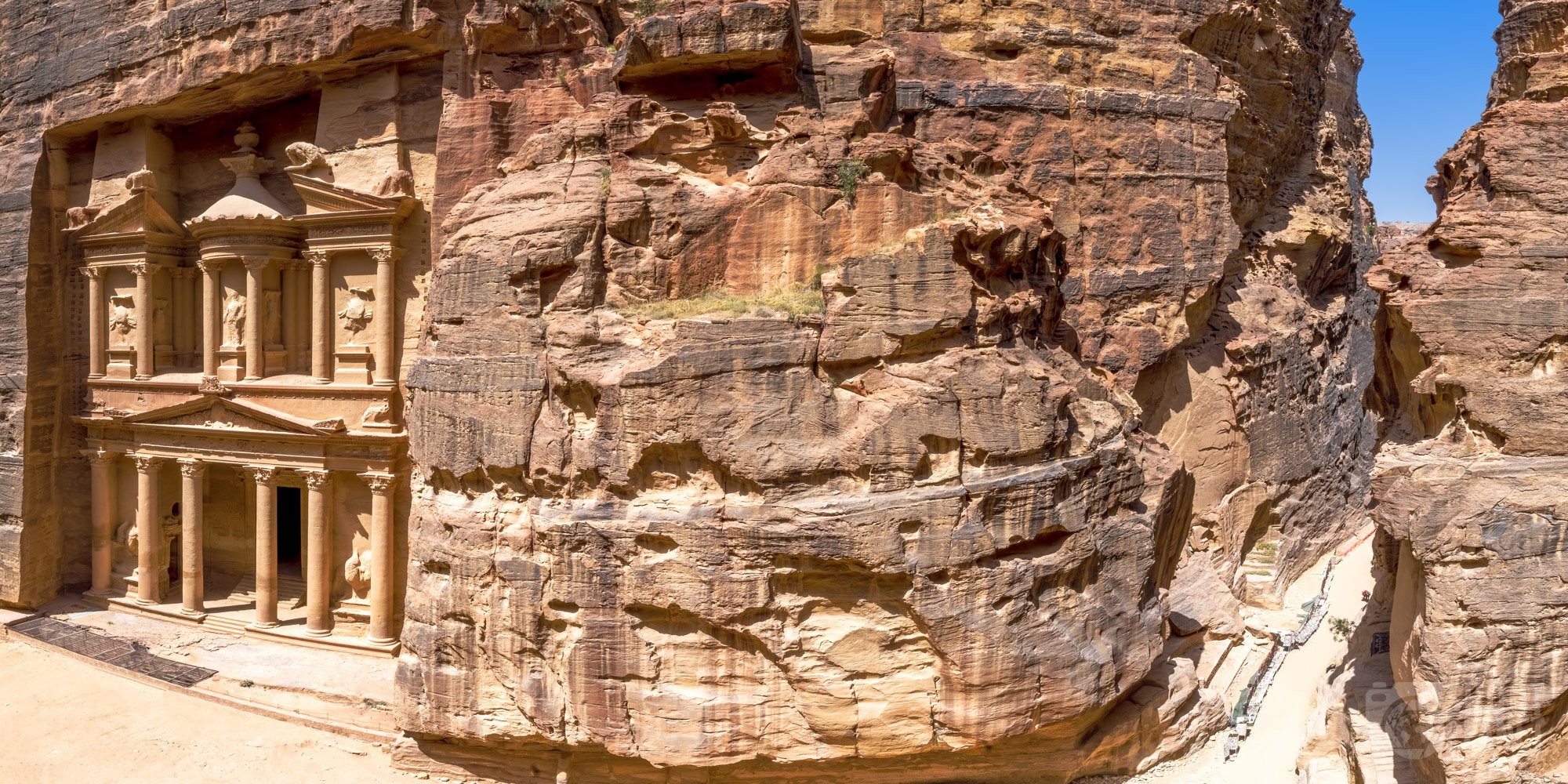
Investigate the Royal Tombs It leads to massive structures such as the Urn Tomb, Silk Tomb, and Corinthian Tomb when one follows The Street of Facades: Royal Tombs. These grandiose tombs demonstrate the economic wealth and cultural sophistication of the Nabataeans.
Ascend to the Monastery (Ad-Deir) For those with a sense of adventure, take on the more than eight hundred rock-cut steps that will lead you up to ad-Deir, which is fifty meters by forty-five meters and the biggest structure in Petra. Although it will take approximately 45 minutes to complete the climb, every step will be justified by stunning panorama and enormous carved building itself. Don’t forget to have some Bedouin tea at the observation point café as a treat for yourself.
Visit Petra By Night During evenings of Monday, Wednesday and Thursday, Petra turns into enchanting place. Lighting up the path towards Al-Khazneh with more than one thousand five hundred candles where you will sit amongst flickering lights enjoying traditional Bedouin music and tales is incomparable experience revealing another face of this old city. It lasts for two hours but provides an entirely unique perspective on this ancient city that should not be overlooked.
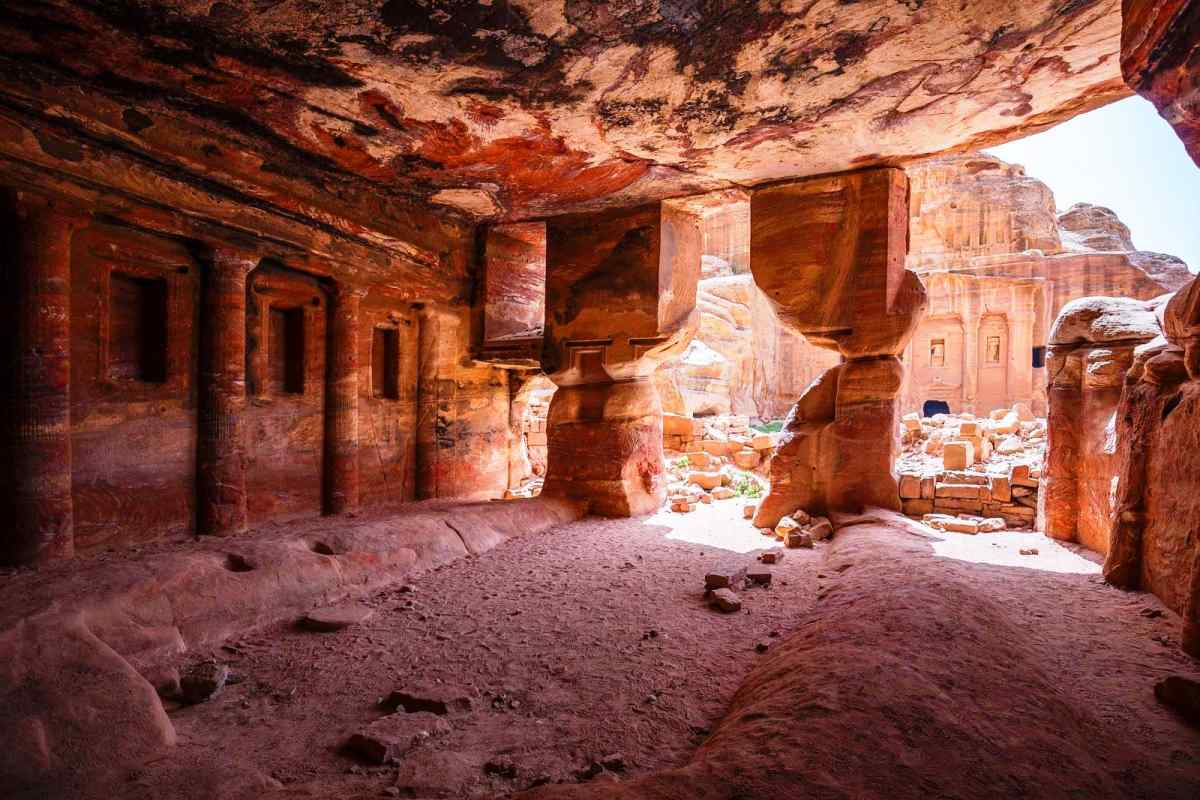
Explore Small Petra Just fifteen minutes drive northwards from Petra is an area called Siq al-Barid or “Little Petra.” Carved facades can be seen throughout this small site, along with ancient dining areas and well-preserved frescoes dating back some two thousand years – all without as many tourists!
Desert Adventures
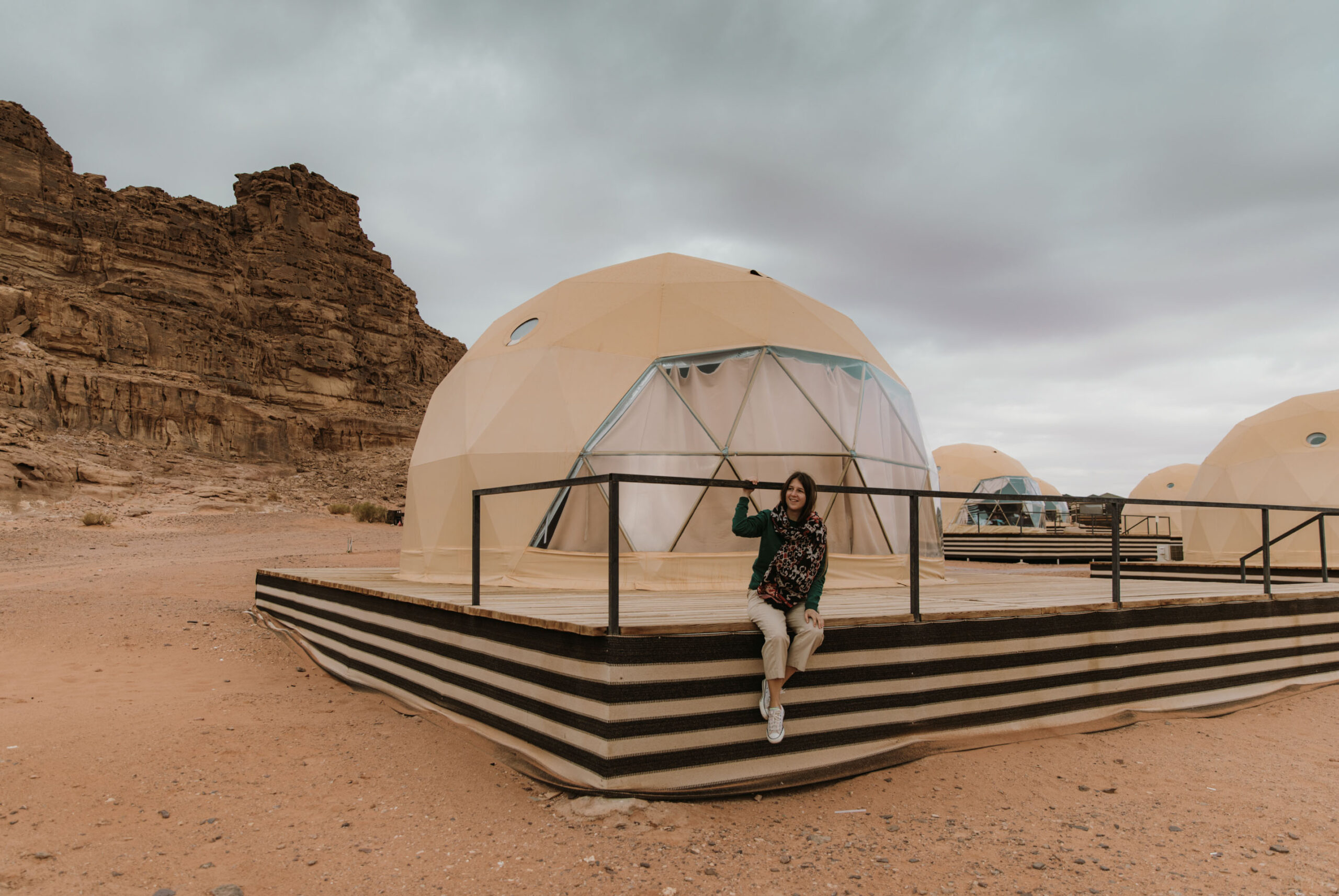
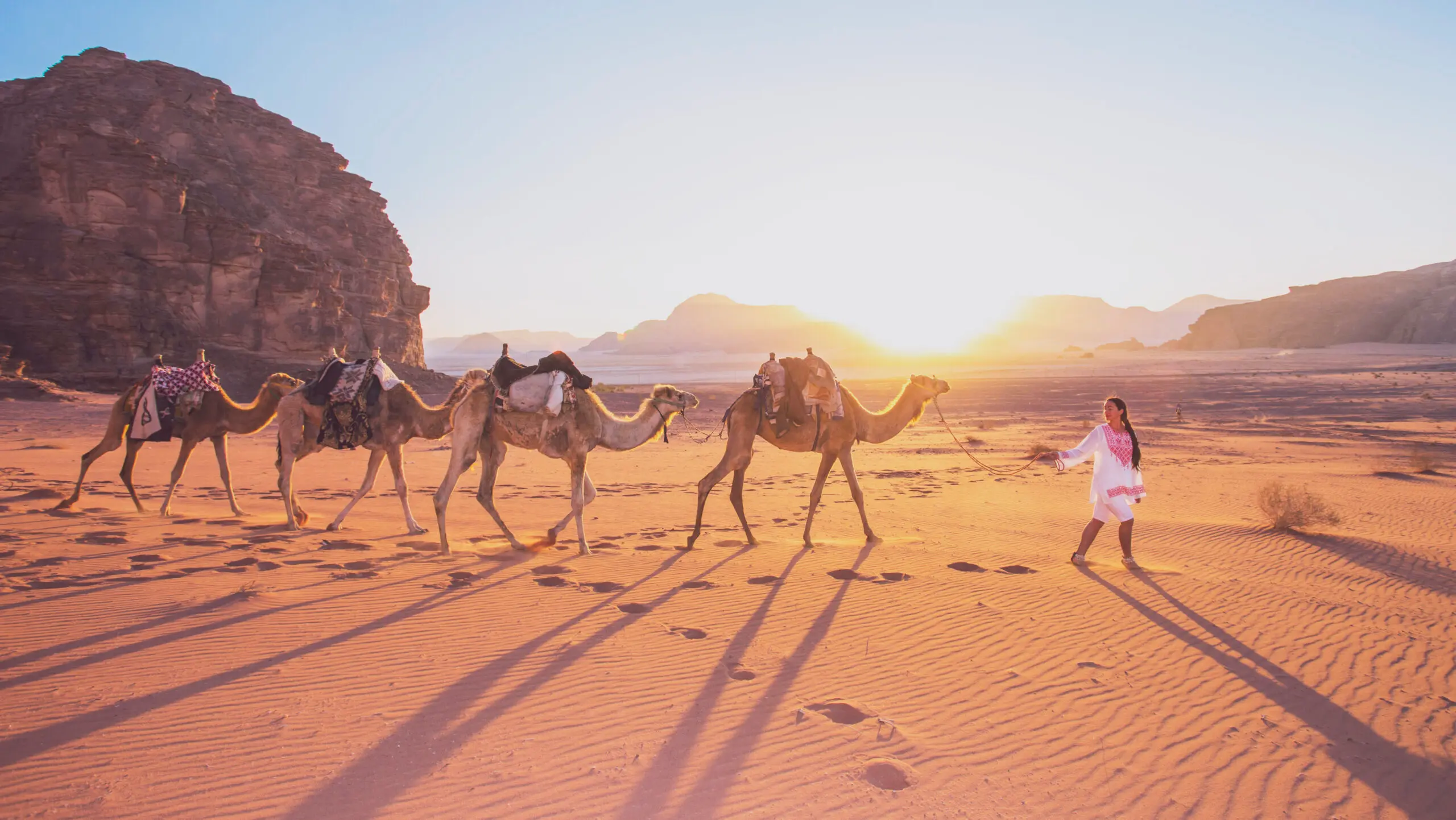
Wadi Rum Desert also known as “The Valley of the Moon” is an amazing sandy desert with high rock mountains and red sand dunes, located just a 90-minute drive from Petra. Have a sleep under some of the most stunning starlit skies at a comfortable Bedouin camp. In the morning you can have fun: drive through the desert in a jeep, ride camels, climb rocks or take hot air balloons.
Artisan Workshops and Markets The country boasts of a rich artisan culture. Go to the local workshops where you will find people making mosaics, weaving by hand, blowing glass, and using techniques that have been handed down for generations to make silver jewelry. You can buy authentic souvenirs at the souk like embroidered cushions, pottery and Dead Sea cosmetics.
Relaxing Treatments in the Desert Spas Be pampered with spa treatments such as Dead Sea mud wraps and traditional hammam after all those days out exploring. Most high-end desert hotels come with good onsite health clubs for your comfort while you enjoy stunning views of the surrounding sands.
Why You Should Visit Jordan
Unmatched Historical Importance In which other place do you find a city that is over 2000 years old and entirely carved out of rock? Petra provides a real link with the past that is second to none.
Breathtaking Scenery The rose-red rocks of Petra and crimson sand dunes in Wadi Rum make Jordan’s landscapes look unreal. This stunning desert landscape has been featured under such productions as Indiana Jones and Martian.
Genuine Cultural Experience The Bedouin populations of Jordan live in the same way as they used to but with open arms for tourists. During your stay, you will be treated with genuine services, eat indigenous food such as mansaf, and listen to historical tales.
Secure and Convenient Jordan ranks among the most secure and easily accessible countries for tourists in the Middle East. It has good infrastructure, English is spoken by many people, and it actively encourages visitors from around the world.
Numerous Attractions at Close Quarters Besides Petra, one can easily visit other incredible places such as Dead Sea (the lowest point on Earth), Mount Nebo’s biblical views, Jerash’s Roman ruins, as well as Amman – the dynamic capital city of Jordan.
Religious Experience It feels deep to stand before human structures that are many centuries old. The deep quietness of Petra, endless desert plains, as well as eternal character of nature provide an opportunity for people to meditate upon things that are becoming less common in the modern society today.
Practical Tips
- Allow at least two full days to explore Petra properly
- Wear comfortable walking shoes and bring plenty of water
- Visit in spring (March-May) or fall (September-November) for ideal weather
- Consider hiring a local Bedouin guide to enrich your experience with stories and historical context
- Book Petra by Night tickets in advance as they often sell out
The Final Word
Petra is more than somewhere you can just visit as it enables one to explore the abilities of man, see some natural beauty and also witness history at its best. There are those moments in life that you will never forget such as when you see the sun rise and paint the Treasury with gold, drinking tea at night with Bedouins under the starlit sky, or perhaps just sitting unbelieving in front of two thousand year old buildings?
This package can take you there: All Seven World Wounders
Travel Blog
Rwanda Gorilla Trekking Stole My Heart
Posted by: Diana Gasper
The trip to Rwanda has left me in thoughts. This was such a transformative experience that I feel the urge to talk about it with someone.
I would say that I have always been one for nature, although not very serious. I am talking about those people who like walking and watching the planet earth. Be that as it may, all my life preparations could not get me ready enough for an encounter I had with a family of mountain gorillas in Volcanoes National Park.
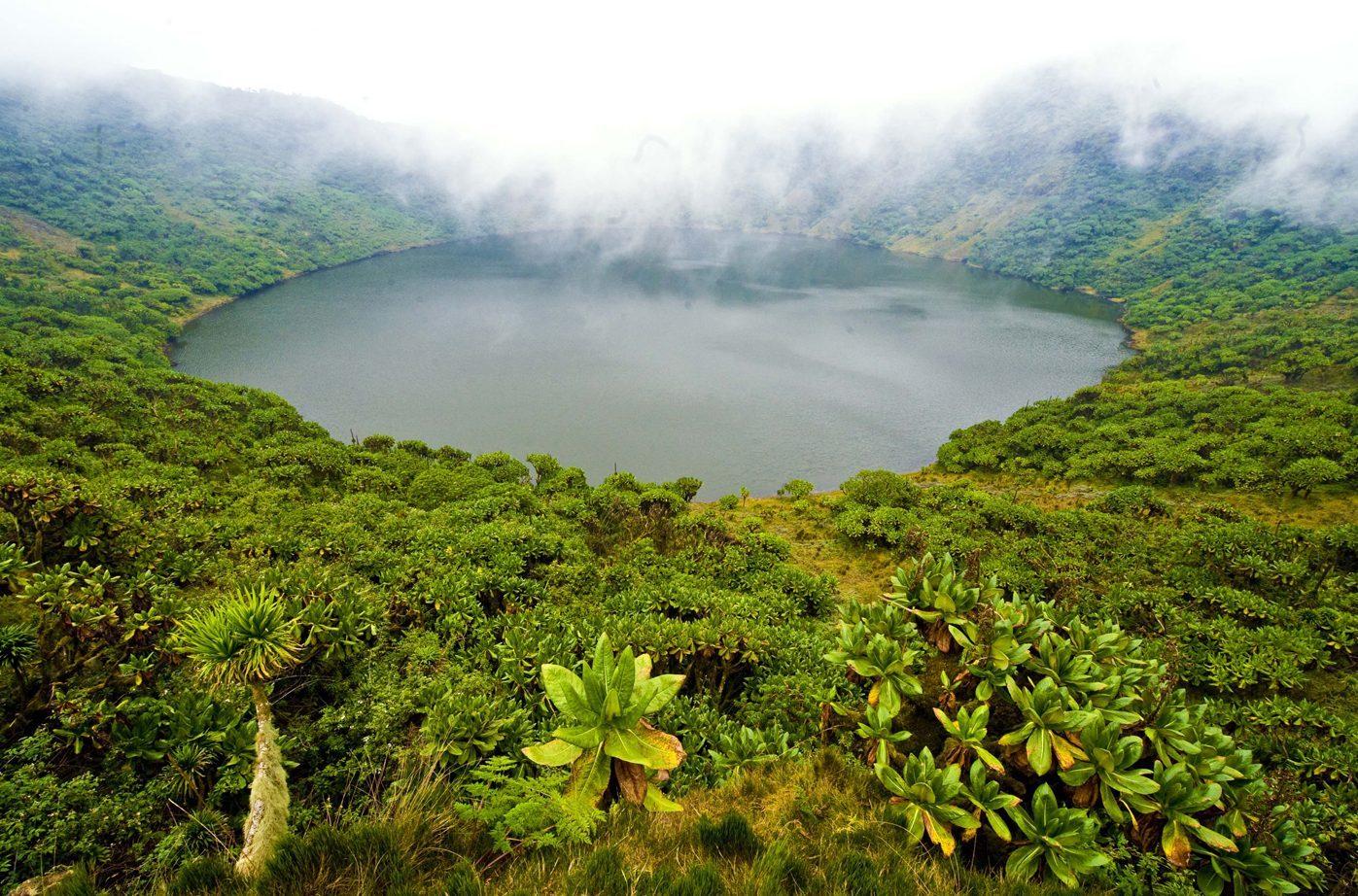
The trek itself was challenging. We went up and down for around three hours climbing in thick bamboo forests, on slippery paths, through high hills that made me doubt about my physical fitness. Our guide would say “pole pole” (Swahili for slowly) which was my motto of the day. Despite the fact that my feet were sore, I continued moving forward since I was eagerly waiting for that moment.
Then it occurred. A distant growling noise reached our ears, following which the guide signaled us to halt. Right there, some fifteen feet from us, lay a huge silverback gorilla peacefully eating its bamboo. It is unbelievable – this animal weighed over 400 pounds, with nothing but muscles under its skin, and yet when it turned and looked at us it seemed like a person with very intelligent eyes.
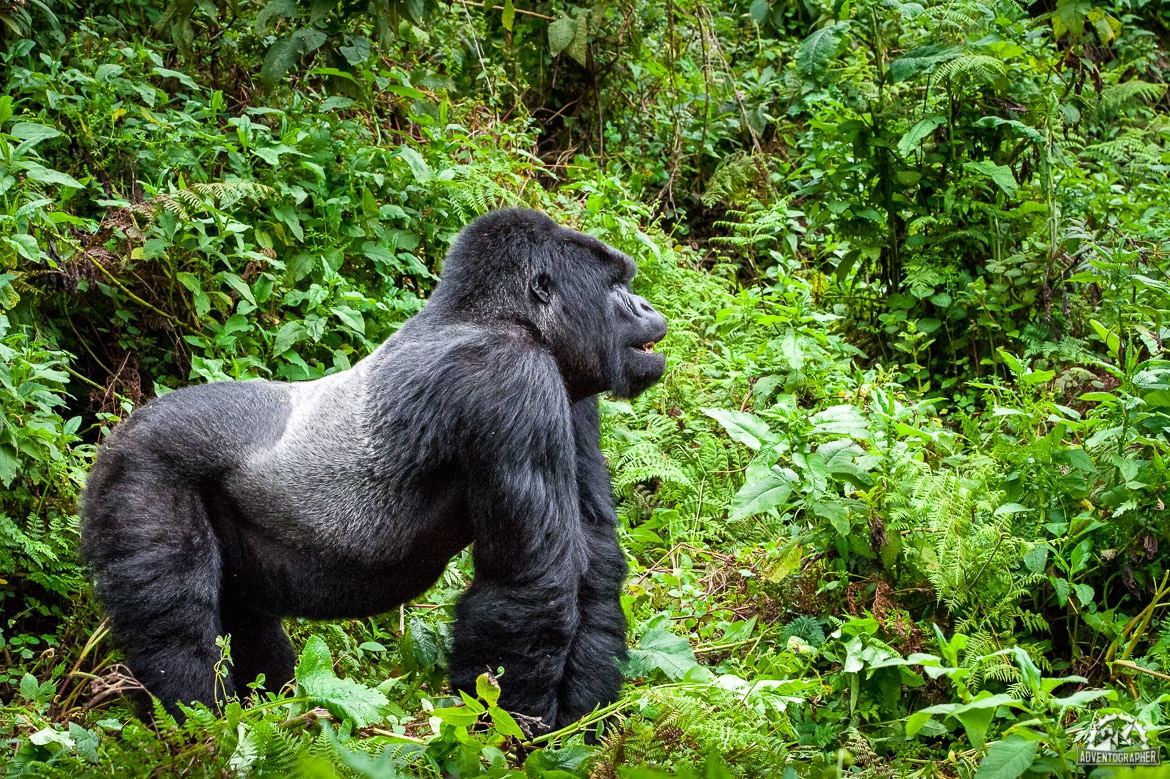
We spent the following hour observing how they behaved on a daily basis. The infants played around rolling just like kids do. One of the curious juveniles even dared to come close enough and stretch out its arm towards me (of course we maintained a safe distance of seven meters as prescribed). Those motherly gorillas were incredibly calm and caring; they kept on looking after their young ones every now and then.
Nonetheless, what broke me completely is when this dominating majestic being known as the silverback simply took a seat and gazed right into my eyes. We stared at each other for what seemed to be ages probably thirty seconds or so. As I looked into his eyes, I thought I saw intelligence, inquisitiveness and a bit of familiarity too; as if he were examining me just the way I was doing to him.
I have no shame to say that I began crying right in the middle of the forest. From our guide’s information, Guhonda, a famous silverback among tourists, was responsible for such behavior. This male is believed to be the biggest one in Rwanda and he can easily provoke a sense of one’s insignificance.
It took just sixty minutes (the maximum time allowed with the gorillas so as not to stress them unduly), yet it seemed like five minutes and five hours at the same time. Leaving them there was really painful.
Rwanda as a country left me speechless as well. It is very orderly, secure, and its inhabitants rank among the friendliest people one could meet anywhere. Kigali is an amazing town, and gathering knowledge of how this nation managed to overcome the genocide period through nature preservation was just phenomenal. The reason behind paying a high fee of $1,500 for gorilla permit which many would consider unreasonable but it makes sense is because it contributes directly towards conservation efforts and also aids local communities.
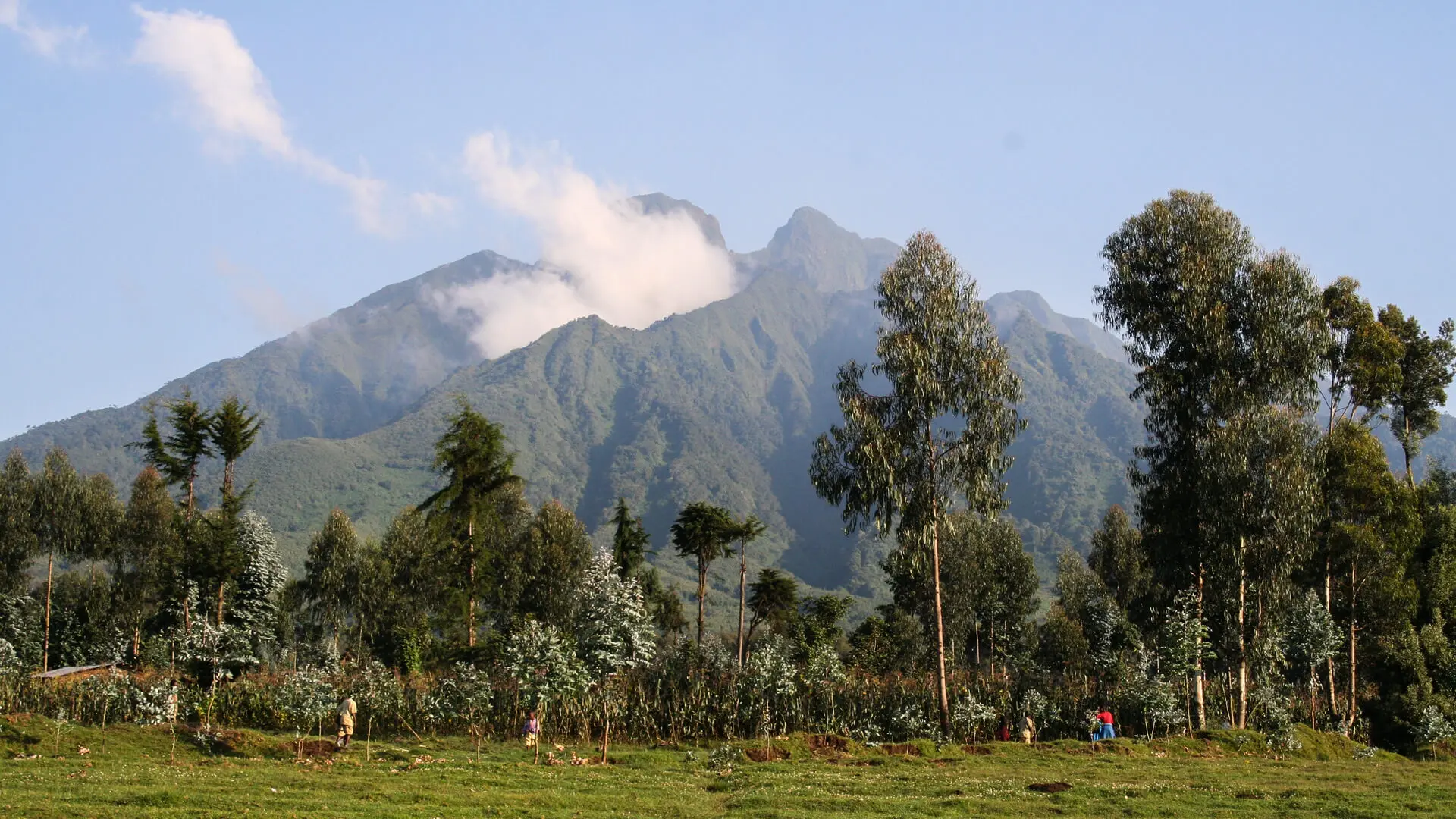
The images on my cellphone cannot provide a true representation of that trip. Those senses, experiences you need to experience live before understanding them…
To anyone unsure whether to go for it or not, take my advice and make that reservation today! Your views on wildlife, environment, and life will never be the same after this trip.
I am scheduling another visit soon. The gorillas now own a part of my heart, a situation that I believe will last for quite some time.
Join me on my next trip
Travel Blog
Why Egypt’s Pyramids Are Worth a visit and What makes Pyramids Still Captivate Travelers
Posted by: Diana Gasper
Standing on the edge of the Sahara Desert and looking at structures that have remained erect for more than 4,500 years will make you appreciate why people still go to see the pyramids in Egypt today. These are not just any old buildings but they serve as a medium through which we can comprehend various aspects of humans such as their ambitious nature, ability to innovate as well as ever unsatisfied chase after divine.
Seeing the Last Wonder of the Ancient World
The Great Pyramid of Giza is not only massive but also it stands out as the only surviving piece among the Seven Wonders of the Ancient World. Standing before a structure that is about 481 feet tall places you under same spell as those people who visited it some three thousand years ago and continue to look at it with amazement nowadays. It remained unmatched in height for around 3,800 years, a clear manifestation of its constructors’ unparalleled foresight.
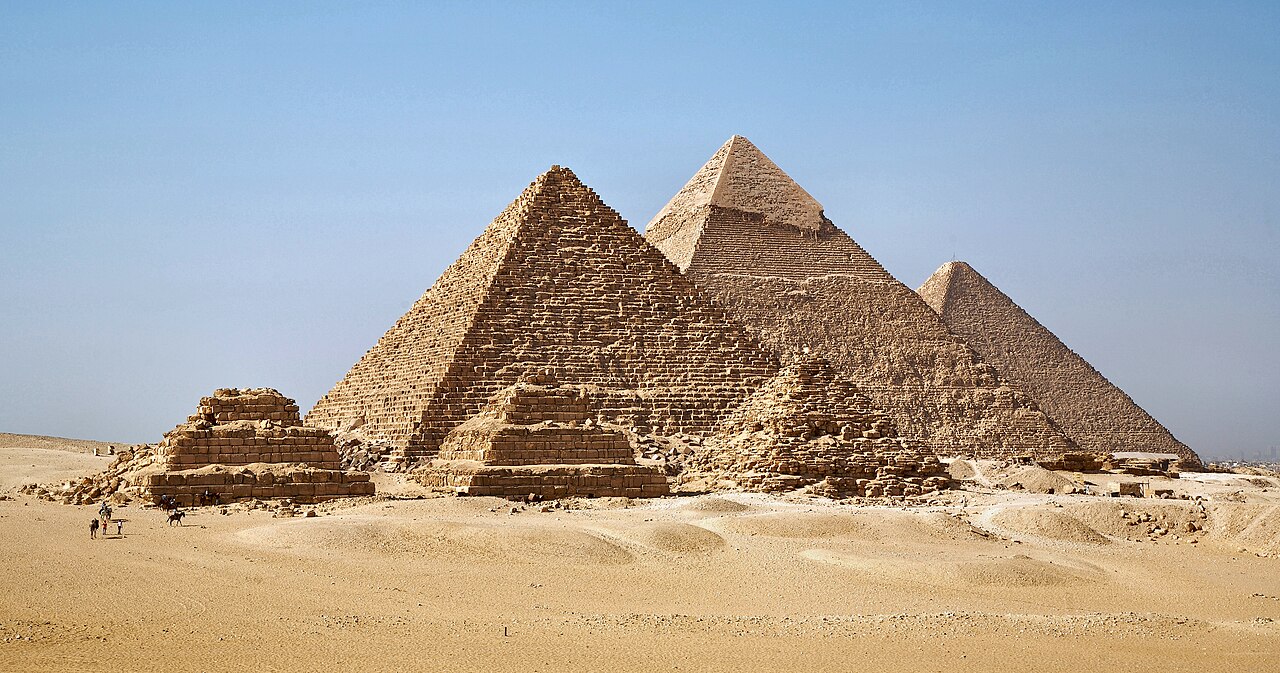
Its precision is stunning. The base area is 13 acres and is very close to being a perfect square – just an inch separates its longest side from its shortest. Despite each block weighing between 2. 5 and 15 tons and not being held by mortar, they fit together incredibly accurately.
Investigating Architectural Enigmas That Defy Explanation
The pyramids are still enigmas of engineering that baffle experts today. For example, how did the ancient Egyptians move huge blocks of limestone over many miles from quarries to the pyramid site? Also, how could they make such accurate astronomical observations without the aid of modern equipment? The Great Pyramid has an almost perfect alignment with true north, deviating by only three minutes of arc from the meridian.
In the interior part of this pyramid there are narrow passages that one can use to access the King’s Chamber, a room which contains an empty granite coffin hence adding to its enigma. Within this space is also a Grand Gallery; at 28 feet high, it boasts corbelled ceiling indicative of advanced architecture not witnessed in Europe until thousands of years later.
A Link to Thousands of Years of History
By walking around the pyramids, one is able to feel that he is at the beginning of history as we know it. It is important to note that these structures were old by the time Cleopatra was alive- she is closer to us today in terms of time than when the moon landings took place. This spot symbolizes mankind's initial advancement in construction of massive structures and formation of highly sophisticated societies.
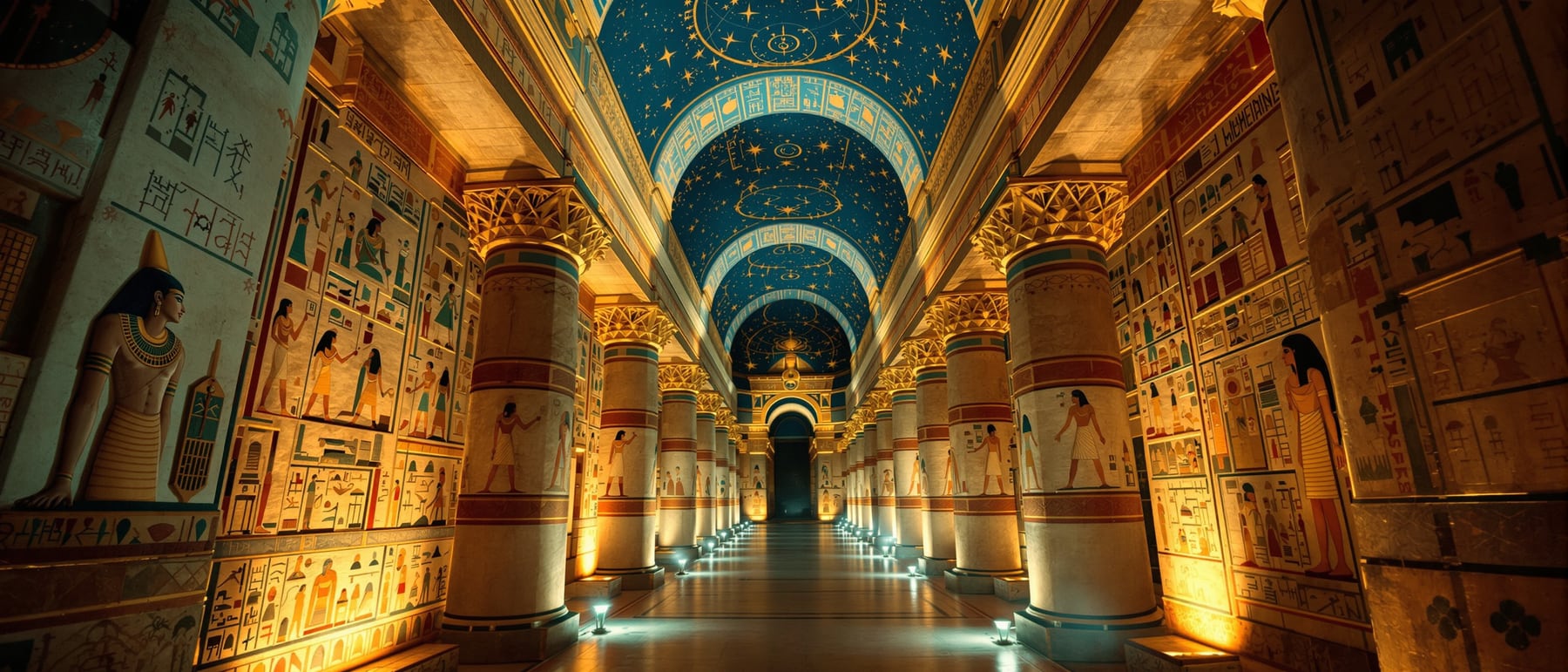
The pyramids did not exist in a vacuum. Other features within the complex are the mysterious Sphinx, smaller pyramids made for queens, mastaba tombs constructed for high-ranking individuals, and remnants of workers’ habitation areas. The whole necropolis narrates about a civilization that was at its height stage and which saw pharaohs marshal resources and human labor like never before seen.
Witnessing the Eternal Grandeur of the Desert
The experience becomes much deeper due to its setting. These ancient structures emerge from the golden sea of sand found in Sahara; an environment that keeps changing between what is real and what one sees only in dreams. In every morning and evening, there is a change on these antique rocks’ colors which can be anything from pinkish to very dark brown. The desert quietness interrupted solely by Cairene breeze and far-off calls for prayers creates a meditation mood that cannot be experienced anywhere else.
During evenings, there is usually a sound and light show which illuminates the pyramids while recounting their history but most people prefer those silent times- when under a starry sky (same stars which guided ancient Egyptians towards their after-life) one could sit upon ancient stones.
Unearthing High-Level Ancient Knowledge
In essence, these structures disclose a high level understanding in mathematics, astronomy, and engineering. For instance, the Great Pyramid’s measurements include some references related to pi’s value as well as figures indicative of other natural forms perceived as aesthetically pleasing by humans alone (like the golden ratio). There are recent findings depicting hidden chambers inside this monument using cosmic-ray imaging technique hence indicating that there are still some undisclosed matters contained therein. The accuracy observed in their construction implies awareness and methodologies that pose questions on assumed ancient human capacity.
Appreciating the People behind these Famous Buildings
It has been discovered through new archaeological research that contrary to what most people think pyramids were not built by slaves rather well taken care of skilled labor. Excavations uncovered villages for workers who had access to medical attention, good food, as well as proper burial for their dead colleagues. This makes them more than mere symbols of kingship-they are also reminders of collective human endeavor and solidarity with each other.
Through hieroglyphs and relics found all over this structure complex, we can learn intimate details about Egypt such as their religion and daily customs too. Humanity’s oldest religious texts known as pyramid texts give us an idea on how these ancient individuals comprehended life, death and eternity.
Reasons Why You Should Make a Trip There Now
Visiting has been made easier by the up-to-date infrastructure, which has also seen the development of better amenities and educative guided trips that do not compromise on the fun. These monuments will still stand for many years to come thanks to advanced conservation; however, if you go there now, then you may see some archaeological discoveries in progress.
The combination of ancient marvels and today’s Cairo gives an incomparable cultural experience. You could visit Pharaonic tombs during the day and have a taste of modern Egyptian culture at night; this way, you will be able to realize that Egypt has lived for many years.
A Journey That Alters Your View
Being in front of the pyramids is enough to make one question what he thinks about human abilities and the passage of time. These structures are evidence enough that when humans are focused towards achieving something for tomorrow even though they will not be there “today” then such results can be called as super historical being available.
It is important that we never forget what the pyramids tell us about ourselves – that although millennia have passed, people are still concerned with their mortality, what they will leave behind after their death and how they fit into the vast universe around them. Amidst an era characterized by fast transformations, these everlasting edifices create a deep sense of unity with regards to the evolving human history.
The Pyramids of Egypt are more than a must-see attraction – they are necessary for any person who wants to have a comprehensive view on human accomplishments and aspirations. They stand testament to the fact that there are some things so amazing and splendid that they never get out fashion or outdated but patiently bide their time among sands of desert every new comer inspiring visitor who undertakes journey see eternal glory sublime spectacle it creates."
Extra Mile Adventures we have a well-prepared package for you to Visit Pyramid of Egypt. Join this Amazing experience here
Travel Blog
I Became One of the Few People to Visit All SEVEN Wonders in One Trip. Here’s Everything I Learned
Posted by: Diana Gasper
I work as a luxury travel consultant and most of my clients enquire about epic trips that can only be taken once in their lifetime. One very popular idea is the tour of “7 Wonders of the World”, although it requires an enormous amount of time, effort and money to organize.
The majority of people who travel take many years as they attempt to visit each of the seven wonders of the world. There is a possibility of seeing all the Wonders at once than going for each one slowly right? Imagine having a taste of every Wonder through an integrated trip: It seems inadequate to call it a journey; this is like creating new definitions for opulent journeys!
Spent 24 days visiting all 7 modern wonders with luxury accommodations, private guides, and exclusive experiences. Worth every penny for serious travelers.
What exactly is included in this "7 Wonders" package?
This isn't your typical tour group experience. We're talking about a 24-day, fully-curated journey hitting:
- Chichen Itza (Mexico) - 4 days including cenote swimming
- Christ the Redeemer (Brazil) - 4 days in Rio with helicopter options
- Machu Picchu (Peru) - 4 days including luxury train through Sacred Valley
- Colosseum (Italy) - 4 days in Rome with Vatican access
- Petra (Jordan) - 3 days including "Petra by Night" experience
- Taj Mahal (India) - 2 days with sunrise viewing
- Great Wall of China (China) - 3 days in Beijing
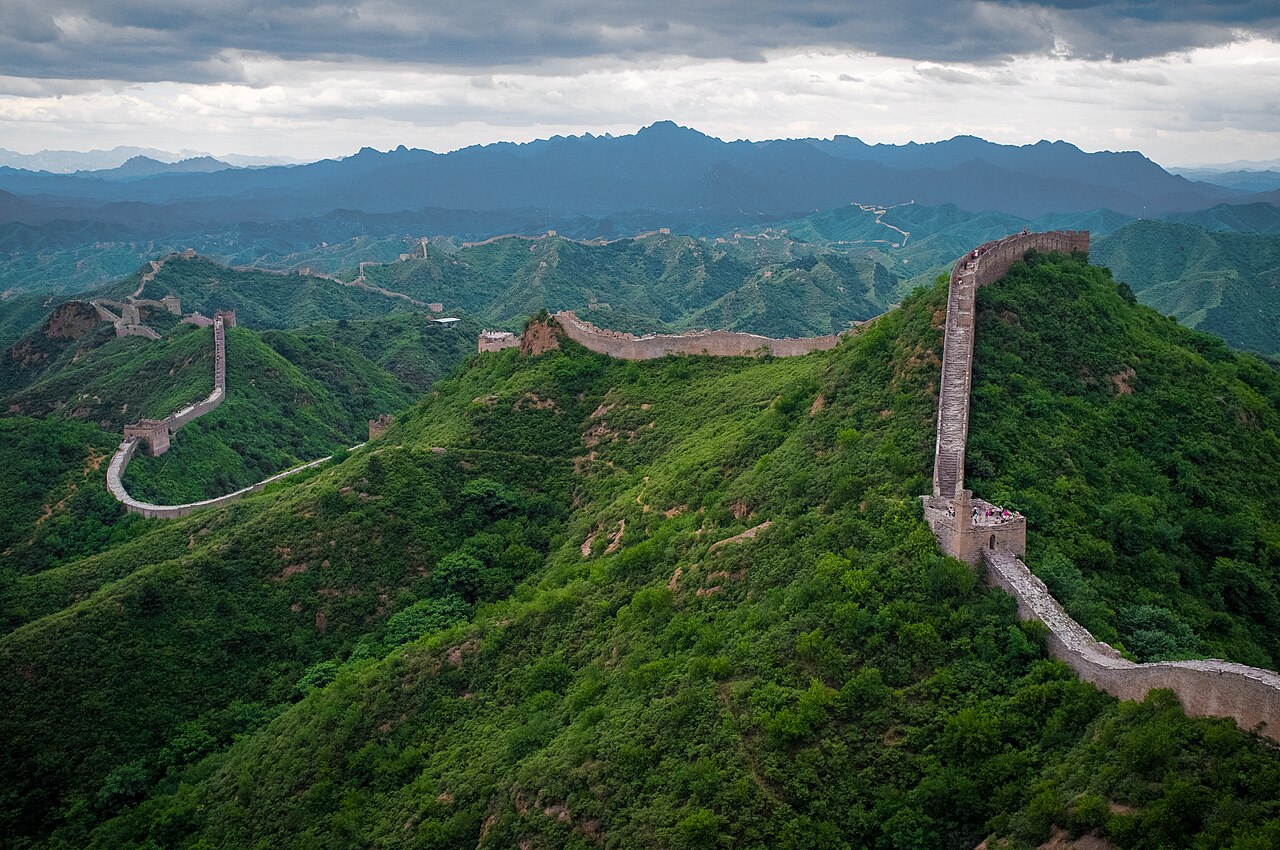
Everything is private transfers, luxury accommodations, and dedicated guides at each location.
How much does something like this actually cost?
Based on similar ultra-high-end packages, you're looking at $25K - $90K per person depending on accommodation level and group size. Yes, it's expensive, but consider:
- Private guides at every wonder
- Luxury hotels/resorts throughout
- All transportation including private jets between some destinations
- Exclusive experiences (helicopter rides, private cenote access, etc.)
- Zero planning stress - everything handled
Is it actually worth the premium vs. doing it yourself?
Pros:
- Time efficiency - they handle all logistics across 7 countries
- Exclusive access - private entrances, after-hours visits
- Cultural immersion - local artisan meetings, traditional performances
- Seamless luxury - no airport stress, premium everything
- Expert guides - deep historical context at each site
Cons:
- Massive cost premium (could do independently for 1/5 the price)
- Fixed itinerary - less spontaneity
- Potentially rushed (24 days for 7 wonders + travel time)
Verdict: Worth it if money isn't your primary concern and you value convenience/exclusivity over cost savings.
Which experiences are most remarkable, including them?
Mexico: Swimming in sacred cenotes + private Chichen Itza tours Brazil: Helicopter ride over Rio + private Corcovado access Peru: Luxury train to Machu Picchu + Sacred Valley exploration Italy: Private Colosseum floor access + Vatican after-hours Jordan: Petra by candlelight + desert luxury camping India: Sunrise Taj Mahal viewing + Mughal history immersion China: Private Great Wall sections + farewell celebration
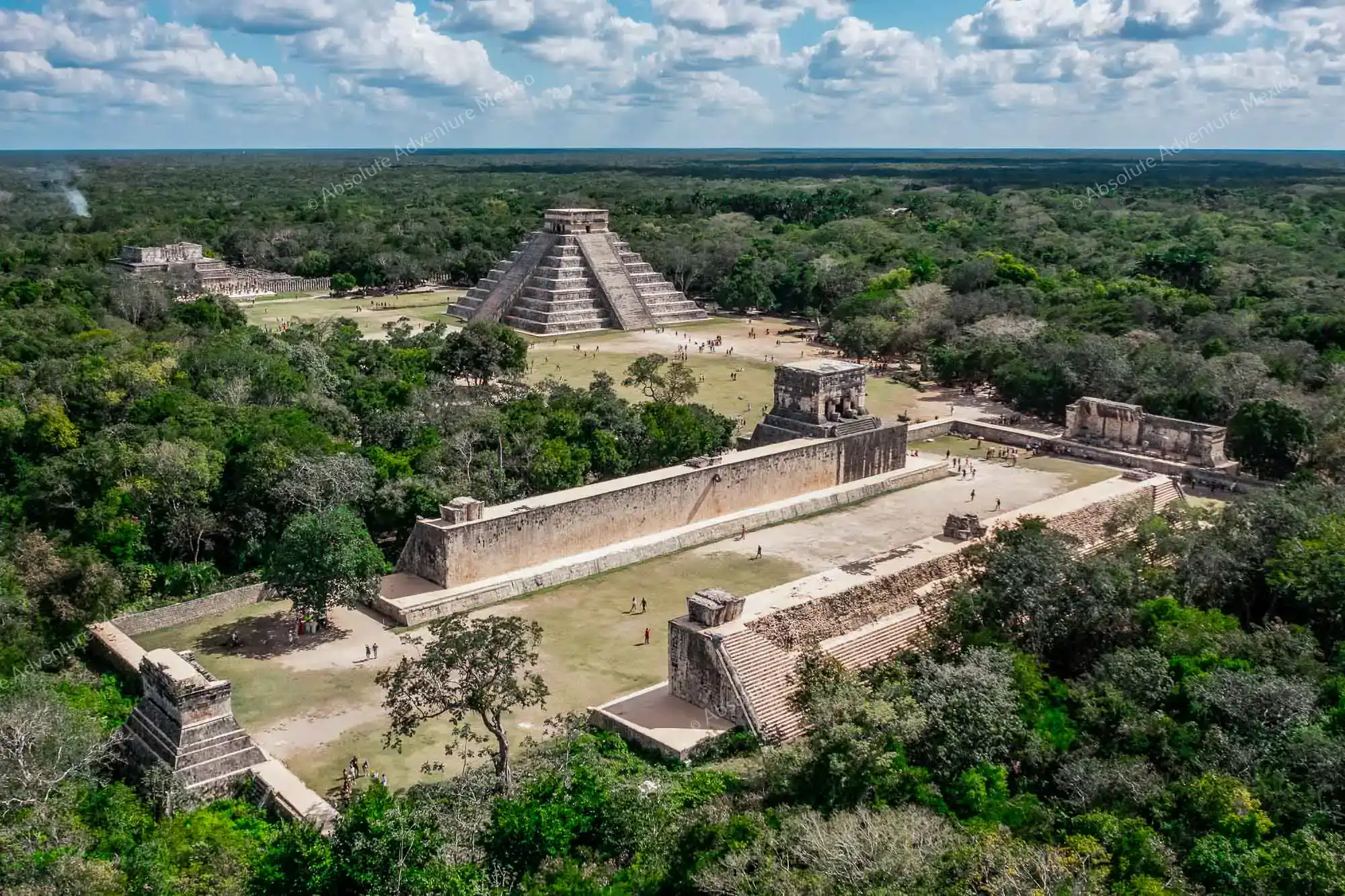
It seems like the cenotes in Mexico and Petra by Night were pure magic.
How physically demanding is this itinerary?
Moderate to High - You're looking at:
- High altitude in Peru (Cusco/Machu Picchu)
- Extensive walking at each wonder
- Multiple time zone changes
- Desert conditions in Jordan
- Climbing sections of Great Wall
They offer spa treatments and rest days, but you need reasonable fitness levels. Not recommended for mobility issues without modifications.
Best time of year to do this?
April-May or September-October for optimal weather across all destinations. Avoid:
- June-August (too hot in Jordan/India, rainy in Peru)
- December-February (cold in China, rainy season in several locations)
How customizable is the experience?
Highly customizable according to their marketing:
- Extend stays at favorite locations
- Add unique experiences (cooking classes, additional sites)
- Adjust pace/rest days
- Upgrade accommodations
- Private jet vs. commercial flights
Is this ideal for people who are just starting to travel luxuriously?
Definitely. It’s like training wheels for luxury travel – you get to see different cultures, experience various weathers and still the trip is fully catered. It offers a great first glimpse into top trips without all the headaches of trying to plan one.
For those that have travelled in luxury before, it may be seen as quite rigid, but the fact that everything is so well organized cannot be underestimated.
Is this the ultimate bucket list experience?
Yes, if you can afford it and would like to witness some of man’s most incredible accomplishments from a historical, cultural, as well as touristic point of view. It will be very hard for you to find anything else like this that you could do on your own.
Best for: Milestone celebrations, retirement adventures, or when you want bragging rights for life.
Skip if: You prefer independent travel, have budget constraints, or enjoy planning your own adventures.
Has anyone had any comparable experiences? What are some other “ultimate” journeys that cost a fortune but are totally worth it in the end?
Travel Blog
Is Israel Safe for Tourists in 2025? What It’s Like and Essential Travel Advice
Posted by: Diana Gasper
For a long time now, people have wished to travel to Israel; this is because it is a country that combines the olden days with today's activities. There are experiences in Israel such as walking through Jerusalem's Old City and floating on the Dead Sea that cannot be found anywhere else in the world. However, most prospective tourists ask themselves one question: Is it safe to go there?
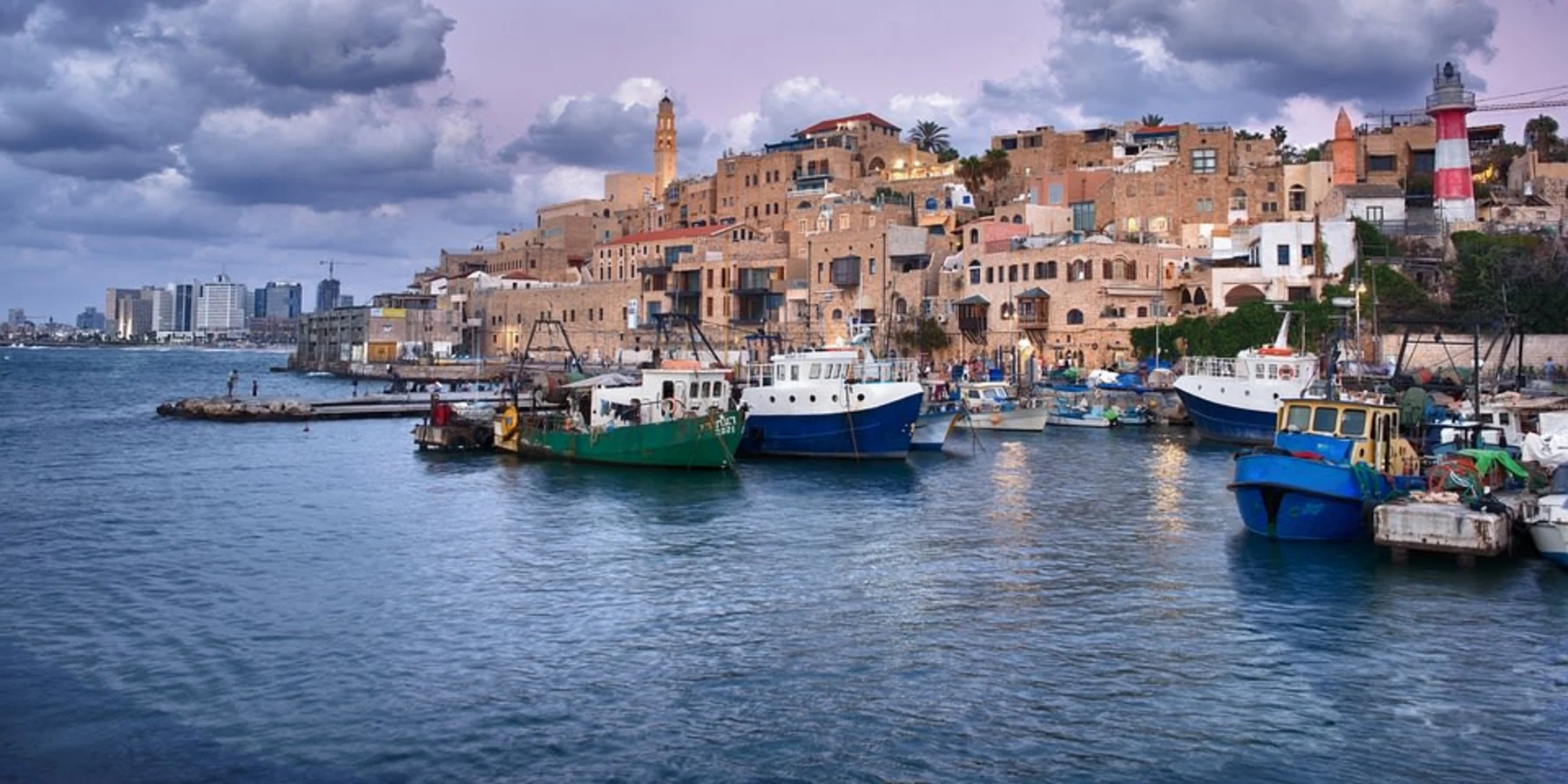
In brief, yes, many people travel to Israel without harm each year – however, this is very dependent on your itinerary, timing and level of preparation. So what are the specifics, potential hazards and basic traveler’s tips for your safe trip?
What It’s Like to Visit Israel
A Blend of Ancient and Modern
Israel is a small country that is full of various things. It contains holy religious places, museums of international standards, busy markets, Mediterranean coastline and modern nightlife especially in the city of Tel Aviv. The modern and comfortable nature of daily life, which includes reliable public transport systems, efficient health care services and a complete tourist network, always leaves visitors amazed.
Visible Security
First-time visitors easily notice one particular thing – the evident security. They should be ready for their bags to be checked while entering shopping centers, bus stops or visiting some sights. The level of security at airports and border crossings is among the highest worldwide. Most travelers may be uncomfortable with this practice initially although it serves to enhance security within populated places.
Warm Hospitality
In spite of such tensions underneath, there are many tourists who claim that locals – Jews, Arabs, Christians or Druze are very friendly and always willing to expose their culture. Various types of foods, especially falafel, hummus, shakshuka as well as fruits and vegetables are available everywhere and they become a memorable aspect of one’s stay.
Is It Safe? Understanding the Risks
Israel’s political and security situation is complex and ever-changing. Here’s what to know:
- Conflict Zones: The Gaza Strip and border areas with Lebanon and Syria are high-risk and should be avoided.
- West Bank: Some areas, including Bethlehem and Jericho, see many tourists, but others may experience protests or clashes. Always check the latest guidance before visiting.
- Rocket Attacks & Sirens: Though less frequent in central areas like Tel Aviv and Jerusalem, rocket sirens do occasionally occur. Locals are used to responding quickly, and tourists should follow the same procedures.
- Demonstrations: Protests can erupt in cities, especially around Jerusalem. While most are peaceful, they can escalate. It’s best to steer clear of large gatherings.
Where Tourists Usually Feel Safe
- Tel Aviv – Israel’s cosmopolitan hub, with beaches, nightlife, and a relaxed vibe.
- Jerusalem (main tourist sites) – Visiting the Old City, Mount of Olives, or Yad Vashem is usually safe with awareness.
- The Dead Sea & Masada – Popular day trips with organized tours.
- Eilat (Red Sea resort) – Known for diving, snorkeling, and sunny weather.
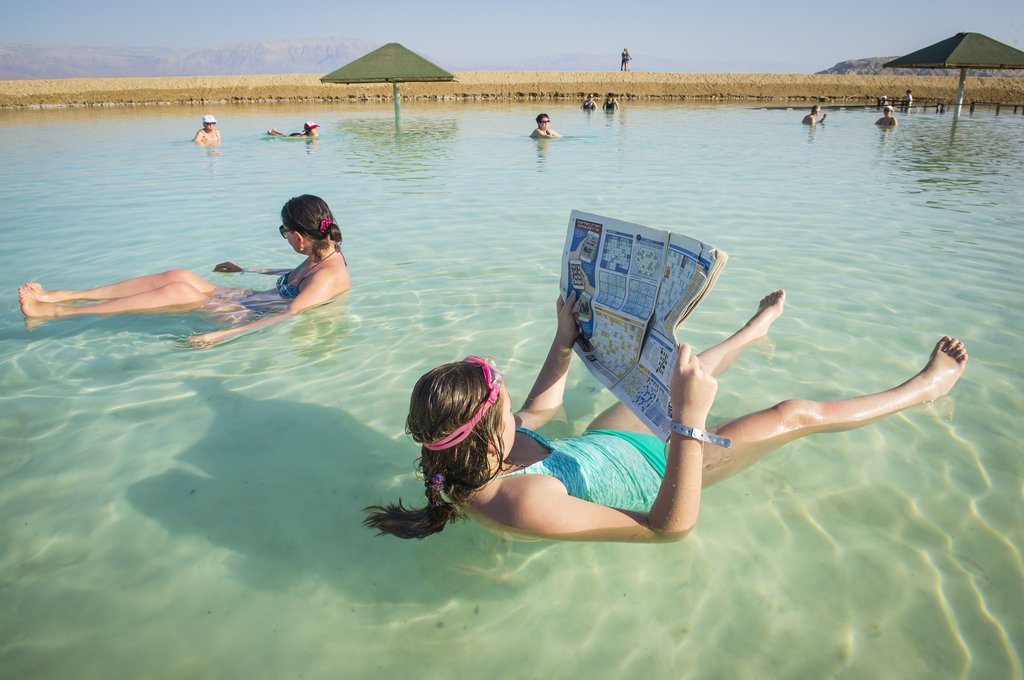
These destinations receive thousands of international visitors each year, with most reporting a positive and safe experience.
Safety Tips for Tourists in Israel
If you decide to travel, here are practical safety tips to make your trip smoother and safer:
- Stay Informed Daily
Check travel advisories, local news, and apps like “Red Alert” that provide real-time updates on security situations. - Know Where You Shouldn’t Go
Avoid Gaza, border areas with Lebanon and Syria, and certain parts of the West Bank unless traveling with a reputable guide. - Be Prepared for Sirens
Learn the location of the nearest shelter in your hotel or area. If a siren sounds, follow local guidance immediately. - Respect Local Customs
Dress modestly at religious sites, avoid photographing soldiers or security checkpoints, and be mindful of religious sensitivities. - Use Reputable Transportation
Stick to licensed taxis, official buses, or organized tours. Car rentals are safe but check road advisories. - Carry Travel Insurance
Ensure your policy covers medical care and possible trip disruptions due to unforeseen events. - Stay Low-Key in Public
Don’t carry large amounts of cash or display valuables. Blend in by dressing casually.
Should You Visit Israel?
Yes, with awareness and preparation, Israel can be a safe and unforgettable destination. Millions of tourists visit each year without incident, enjoying its beaches, historical treasures, nightlife, and spiritual landmarks.
The key is to stay informed, avoid high-risk areas, and follow local advice. If you do, you’ll likely come away with not just incredible memories, but also a deeper understanding of a land where history, culture, and resilience intertwine.
Travel Blog
Italy – Rome, Essentials top Attractions You Can’t Miss in Rome
Posted by: Diana Gasper
Rome isn’t just a city it’s a living, breathing masterpiece. Known as the Eternal City, Italy’s capital combines ancient history, artistic brilliance, and modern charm, making it one of the world’s most captivating travel destinations. For travelers seeking unforgettable moments, Rome offers everything: iconic landmarks, hidden piazzas, world-class cuisine, and that irresistible sense of la dolce vita.
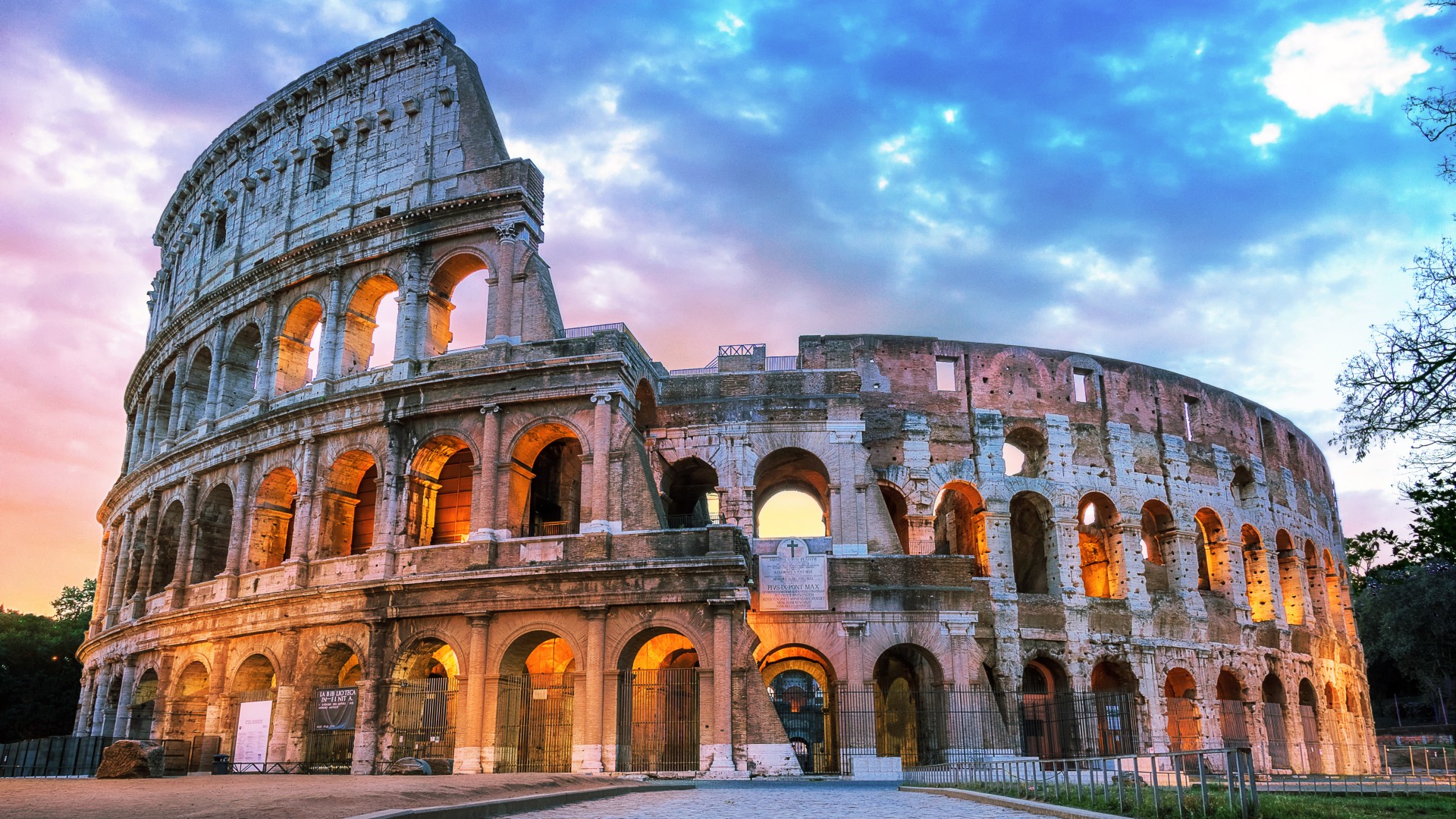
Whether you dream of standing inside the Colosseum, admiring Michelangelo’s Sistine Chapel, or enjoying a candlelit dinner under the stars, Rome is where time slows down and every experience feels timeless.
Top Attractions You Can’t Miss in Rome
1. The Colosseum – Step Back into Gladiator Days
No trip to Rome is complete without visiting the Colosseum. This ancient amphitheater once held 50,000 spectators cheering on gladiator battles. Walking across its sands today is like stepping into history—one of the most memorable experiences in Rome.
Travel Tip: Book a privately guided tour to skip the long lines and discover hidden stories about the empire’s most famous arena.
2. Roman Forum – Walk Among Ancient Ruins
Just steps from the Colosseum lies the Roman Forum, the very heart of ancient Roman life. Once home to bustling markets, temples, and political debates, the ruins remain awe-inspiring.
Travel Tip: Visit at sunset for magical views as the ruins glow under the fading light.
3. Vatican Museums & Sistine Chapel – A Feast for the Soul
Art lovers will be mesmerized by the Vatican Museums, a treasure trove of masterpieces collected over centuries. The highlight is undoubtedly the Sistine Chapel, where Michelangelo’s frescoes bring heaven to earth.
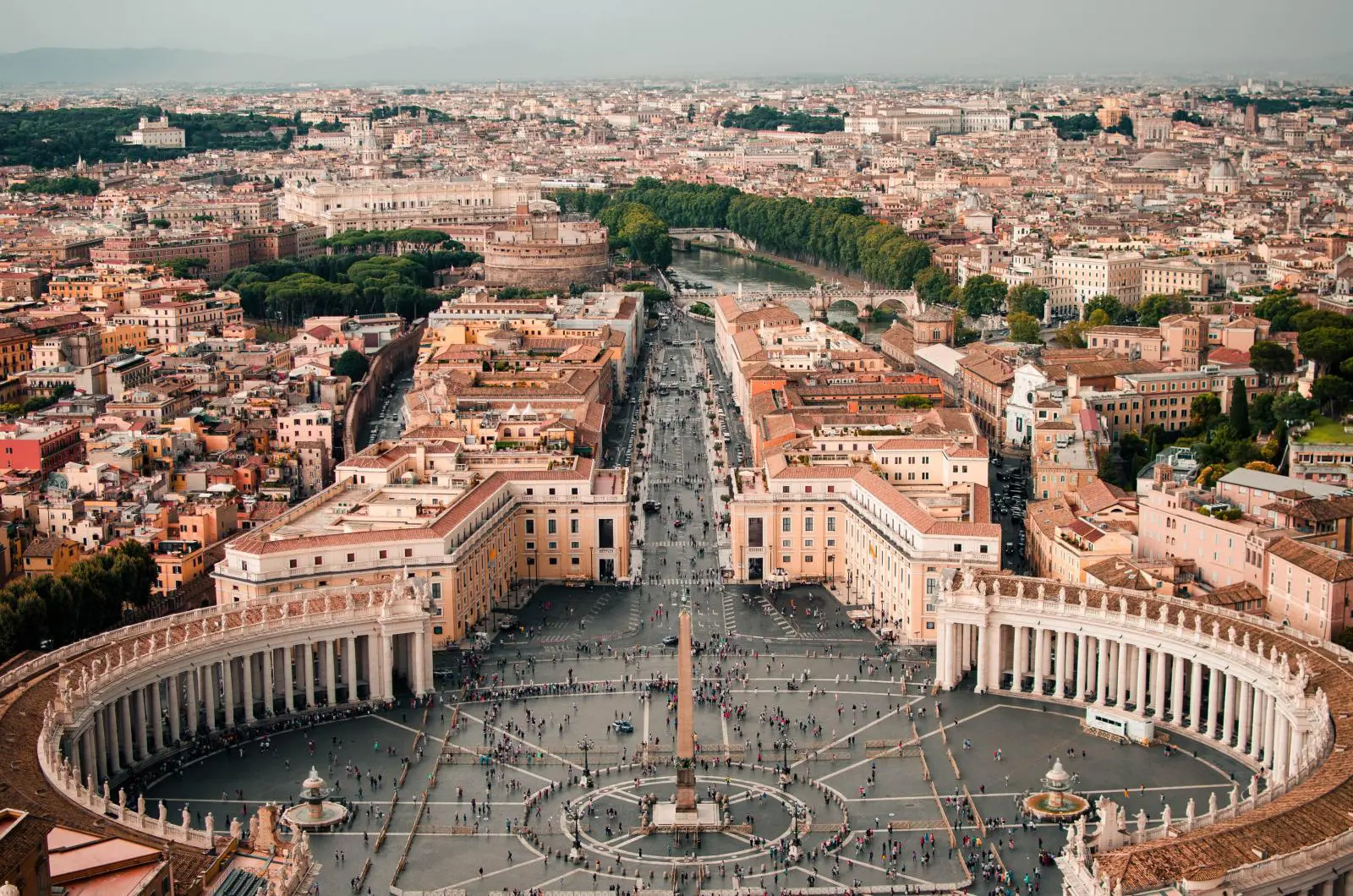
Travel Tip: Opt for an early morning private tour for a quieter, more personal experience.
4. Piazza Navona & The Pantheon – Timeless Beauty
Rome’s piazzas are more than just squares they are the soul of the city. Piazza Navona is vibrant with fountains, artists, and cafés, while the Pantheon, with its perfect dome, is a true marvel of ancient engineering.
Taste the Flavors of La Dolce Vita
Food in Rome is more than a meal it’s an experience. Picture yourself savoring:
- Candlelit dinners in hidden piazzas, where romance fills the air.
- Fresh pasta dishes like carbonara or cacio e pepe, crafted from recipes passed down for generations.
- Velvety espressos and gelato during sun-drenched afternoons.
Each bite tells a story of tradition, passion, and authenticity.
Pro Tip: Step away from tourist restaurants and follow the locals into family-owned trattorias for the most authentic Roman cuisine.
Hidden Gems in Rome
While the main attractions are unmissable, Rome rewards those who wander:
- Trastevere: A charming neighborhood with cobblestone streets, artisan shops, and lively nightlife.
- Aventine Hill: Home to the famous keyhole view of St. Peter’s Basilica.
- Campo de’ Fiori: A vibrant morning market filled with fresh flowers, spices, and local produce.
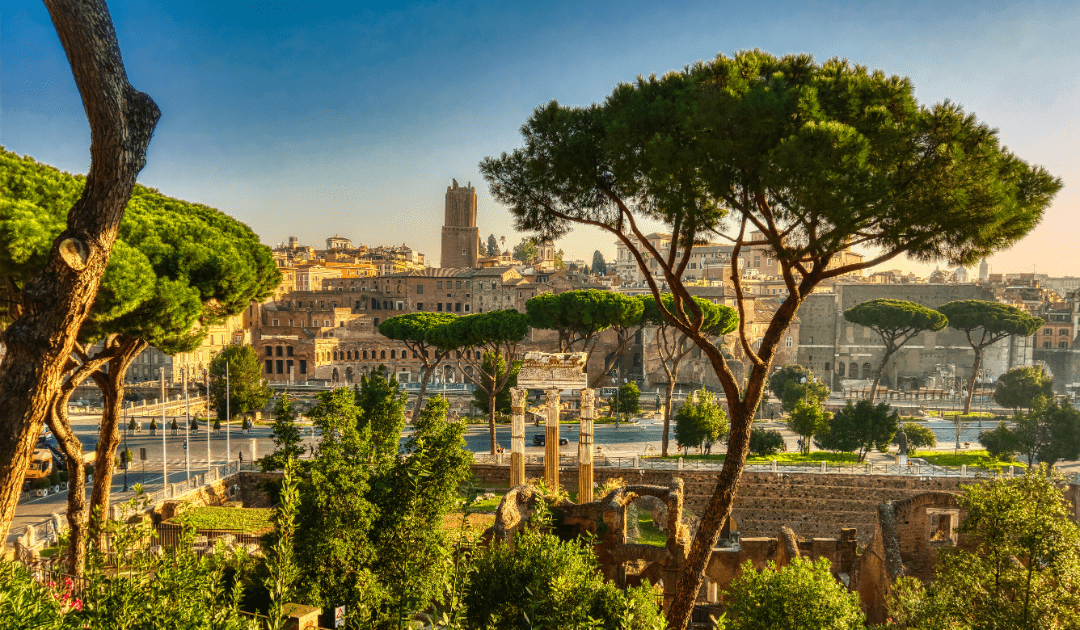
These off-the-beaten-path treasures show you the Rome that locals love.
Why Choose Rome for Your Next Vacation?
Rome is more than just sightseeing it’s about creating memories that last forever. Here’s why you should make Rome your next destination:
- Romantic escapes: Perfect for couples seeking history and romance.
- Family-friendly experiences: Museums, open piazzas, and gelato shops kids adore.
- Cultural immersion: Every street corner is a lesson in art, history, and Italian lifestyle.
Practical Travel Tips for Rome
- Best Time to Visit: April–June and September October for pleasant weather and fewer crowds.
- Getting Around: Rome is best explored on foot, but metro and buses are available.
- Dress Code: Modest attire is required when visiting churches like St. Peter’s Basilica.
- Language: Italian is the official language, but English is widely spoken in tourist areas.
Final Word: Experience the Eternal City
In Rome, the past and present blend seamlessly. From the roar of the Colosseum to the quiet romance of hidden piazzas, every moment feels eternal. Whether you’re sipping espresso at a street café, exploring ancient ruins, or enjoying a sunset over the Tiber River, you’ll quickly understand why Rome is called the Eternal City.
Rome isn’t just a trip it’s a journey into history, art, and la dolce vita. Don’t just visit immerse yourself, and discover a city where time truly stands still.
Book this here https://extramileadventure.com/our-offer/details/visit-all-7-wonders-of-the-world
Travel Blog
Great Migration Tanzania Best Time to Visit in a Luxury way
Posted by: Diana Gasper
Tanzania’s Great Migration is one of the most extraordinary natural wonders on Earth a wildlife spectacle that draws travelers from around the globe. Witnessing millions of wildebeest, zebras, and gazelles thunder across the Serengeti in search of fresh grazing land is an experience that combines raw nature, breathtaking landscapes, and heart-stirring drama. For those who value comfort, exclusivity, and personalized service, a luxury Tanzania migration safari offers the ultimate way to experience this natural phenomenon.
Why the Great Migration is a Must-See Experience
The Great Migration is not just about movement it’s about survival. Every year, over 1.5 million wildebeest, joined by zebras and gazelles, journey across the Serengeti plains toward the Masai Mara in Kenya. Along the way, they face predators such as lions, cheetahs, and crocodiles at river crossings, creating one of the most dramatic wildlife shows on the planet.
Experiencing this journey up close immerses you in the very rhythm of Africa where the cycle of life, migration, and survival plays out on a grand scale.
The Best Time to Witness the Great Migration in Tanzania
One of the most common questions travelers ask is: “When is the best time to see the Great Migration in Tanzania?” The beauty of this spectacle is that it unfolds in different stages throughout the year.
- December to March: Calving season in the Southern Serengeti—thousands of newborn wildebeest, and predators on the hunt.
- April to June: Herds spread across the central and western Serengeti, preparing for river crossings.
- July to September: The dramatic Grumeti and Mara River crossings thrilling moments of predator-prey encounters.
- October to November: Herds begin their southward return, scattering across the golden plains.
For many, July to September is the most iconic period thanks to the river crossings. However, luxury safaris ensure incredible wildlife encounters year-round.
A Luxury 8-Day Migration Safari Experience
Your luxury Tanzania safari is designed to combine the raw beauty of the wild with world-class comfort. Imagine game drives led by expert guides during the day, followed by sundowners under the African sky and nights spent in elegant lodges or tented camps blending seamlessly with nature.
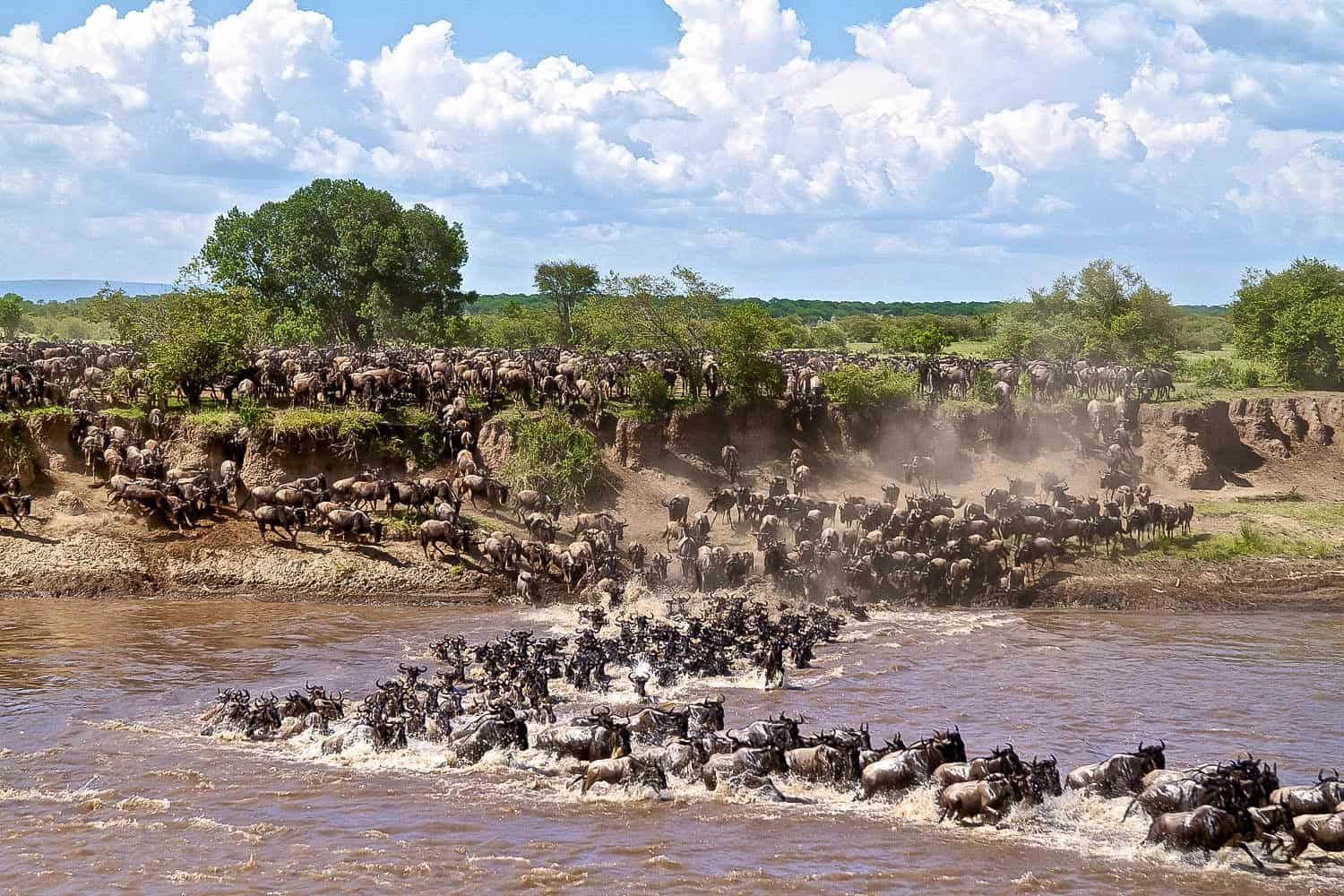
Here’s what your journey could look like:
- Day 1: Touch down at Kilimanjaro International Airport and relax at the serene Rivertrees Country Inn.
- Day 2–3: Explore the Ngorongoro Crater, a UNESCO World Heritage Site teeming with wildlife, and visit Lake Manyara, home to tree-climbing lions and colorful birdlife.
- Day 4–5: Arrive at the Serengeti and settle into Kubu Kubu Tented Lodge. Game drives here offer close encounters with the Big Five and the migrating herds.
- Day 6–7: Follow the Great Migration across the plains, staying at Lahia Tented Lodge. Watch predators trail the herds in the Serengeti’s most iconic landscapes.
- Day 8: One final game drive before a scenic bush flight back to Arusha, reflecting on memories that will last a lifetime.
Choose this package to experience this magic of the nature: Great Migration Tanzania Best Time to Visit in a Luxury way
Why Choose Luxury Travel for the Migration?
While the Great Migration itself is spectacular, experiencing it through a luxury safari in Tanzania elevates the journey. Here’s what sets it apart:
- Handpicked Lodges & Camps: Stay in stylish lodges and tented camps like Kubu Kubu and Lahia, offering panoramic views and authentic safari atmosphere.
- Expert Guides: Travel with experienced trackers who understand animal behavior and cultural heritage.
- Exclusive Game Drives: Enjoy private or small-group game drives for a more intimate experience.
- Seamless Travel: From bush flights to luxury transfers, every detail is handled for you.
- Personalized Comfort: Expect gourmet dining, spa treatments, and bespoke service amidst the wilderness.
Tips for Planning Your Tanzania Migration Safari
- Book Early: Lodges during peak migration season (July–September) fill up quickly.
- Travel Light: Bush flights have luggage restrictions; soft-sided bags are best.
- Bring Quality Gear: A good camera and binoculars will enhance your experience.
- Stay Flexible: Wildlife movements can’t be predicted with precision flexibility ensures you don’t miss unforgettable encounters.
A Journey of a Lifetime
The Great Migration in Tanzania is more than a safari it’s a story of survival, resilience, and nature at its rawest. With the added touch of luxury, your journey becomes seamless, comfortable, and deeply personal.
If you’ve ever dreamed of witnessing Africa’s greatest spectacle in style, there’s no better time than now to plan your luxury Tanzania migration safari.
Travel Blog
Journey Through the Giraffe Manor Travel Package with Safari
Posted by: Diana Gasper
Welcome Giraffe Centre
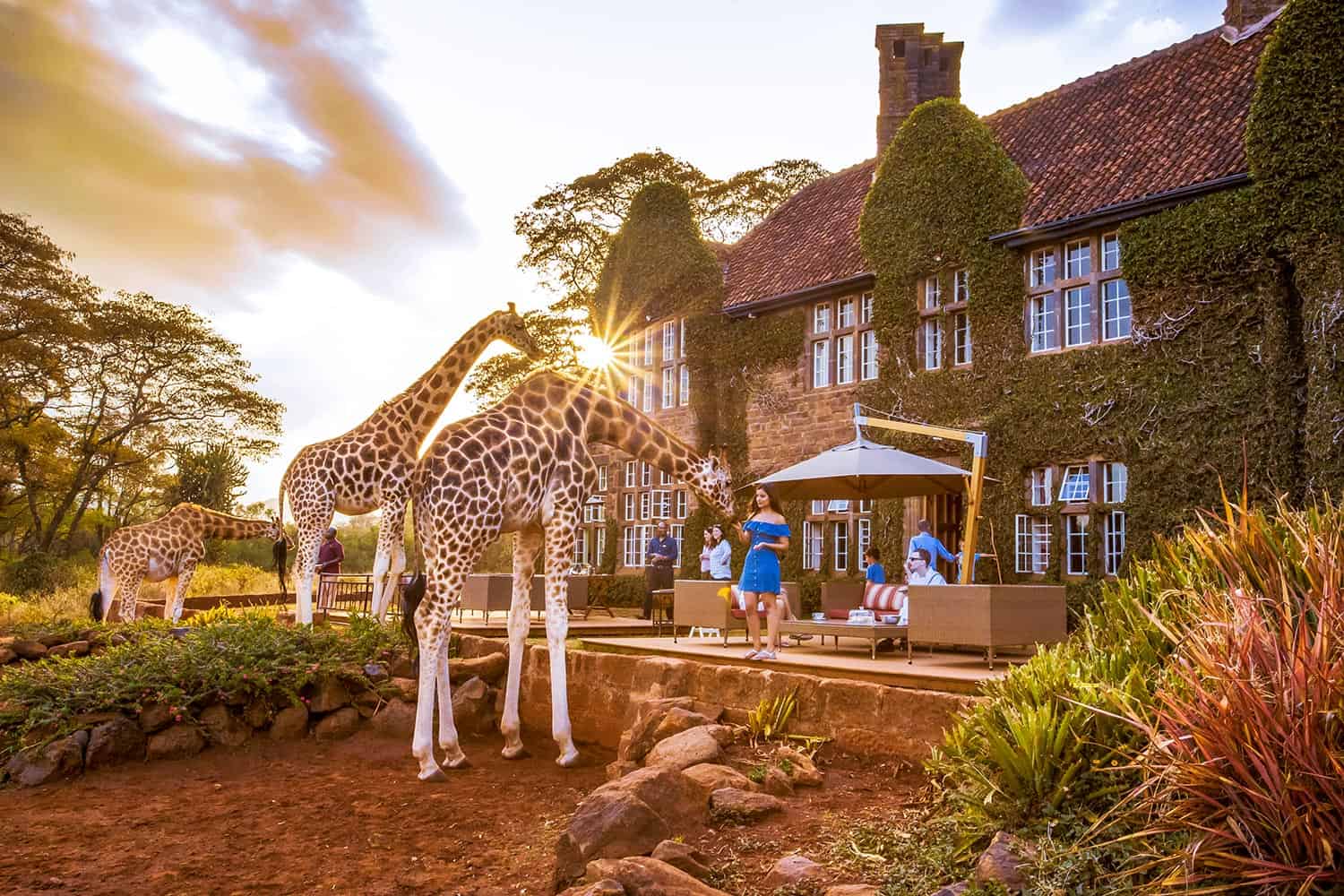
Imagine this: Leaning in, I whisper eagerly, “Welcome to the Giraffe Manor travel package Kenya’s most enchanting encounter. After guiding dozens of adventure hungry travelers through this magical stay, let me walk you through every detail of this top-rated giraffe manor travel package with safari.”
What Does the Package Offer?
The Royal Safari & Conservation: Kenya’s Finest
– Duration: 8 days of wonder.
– Route: Begins in Nairobi at Giraffe Manor, then ventures to Amboseli National Park and the iconic Masai Mara before concluding with memories to last a lifetime.
– Rates: Starting from approximately US $11,730 per person. Visit Giraffe Centre
Step-by-Step Itinerary Through My Eyes
Day 1 – Arrival at Nairobi & Giraffe Manor Introduction
At Jomo Kenyatta International Airport, I meet guests most of the time and then take them to Giraffe Manor. The manor looks like it is from Out of Africa because of its ivy-covered exterior that resembles a 1930s Scottish hunting lodge. It is located in a 12-acre forest within an even larger protected land and has become famous for its Rothschild’s giraffes which may come around for some breakfast or tea.
Day 2 – Breakfast with Giraffes & Giraffe Centre Visit
You will be woken up by giraffe necks coming through your window or into the dining room; they are usually quiet, shy and very majestic. One such unforgettable moment involves placing some pellets on your outstretched palm (a favorite activity among visitors) and having the giraffes lean over to eat them. Subsequently, we will cross over to AFEW Giraffe Centre through the lawn so that you can have a close look at these tall creatures, understand why efforts are being made to conserve them and also feed them as they stretch out their tongues from the feeding platform provided below.
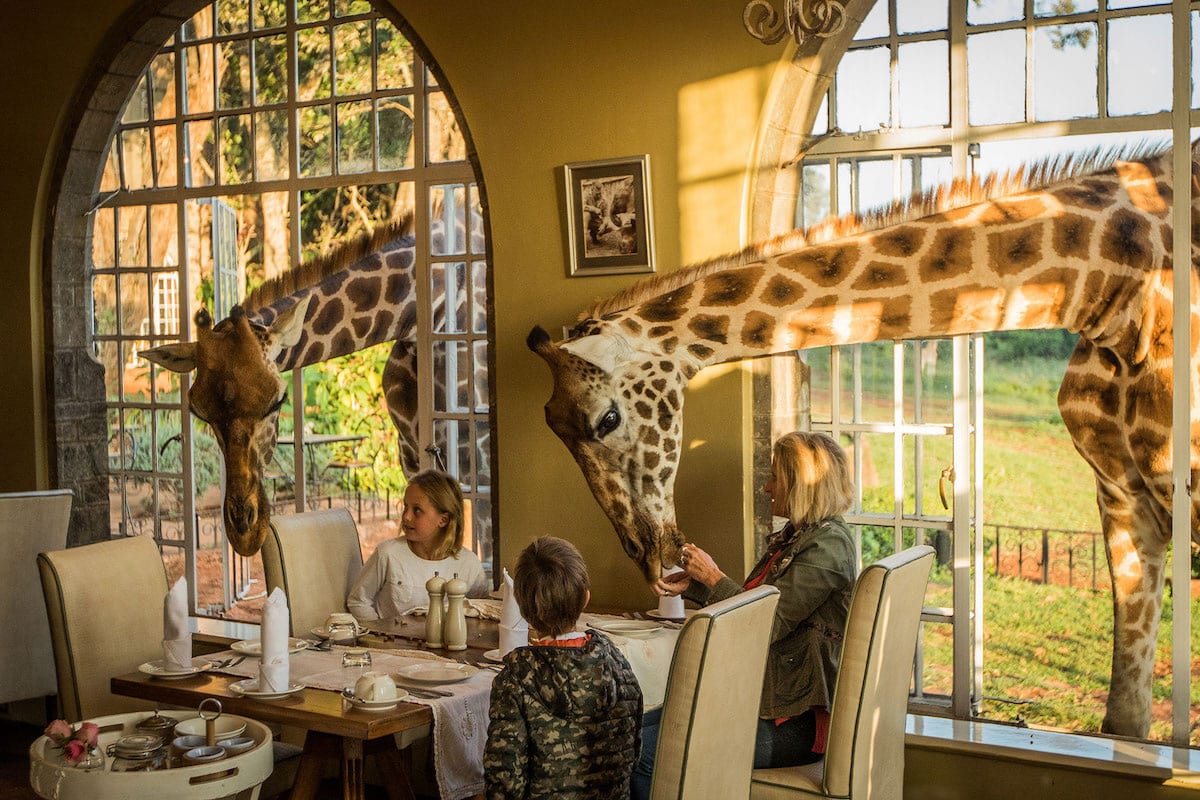
Days 3–4 – Amboseli or Mugie Conservancy
Depending on the selected package there will be a short flight to the top class safari accommodations like Governors’ Mugie Camp at Laikipia (hosting Grevy’s zebra, Jackson’s hartebeest, cats and some other animals, as well as being engaged in conservation activities) or Amboseli’s endless open spaces where huge herds of elephants can easily be seen moving against the background of Kilimanjaro. Game drives, bush walks, visits to cultural villages and nights spent under the starlit sky are some of the experiences you will have.
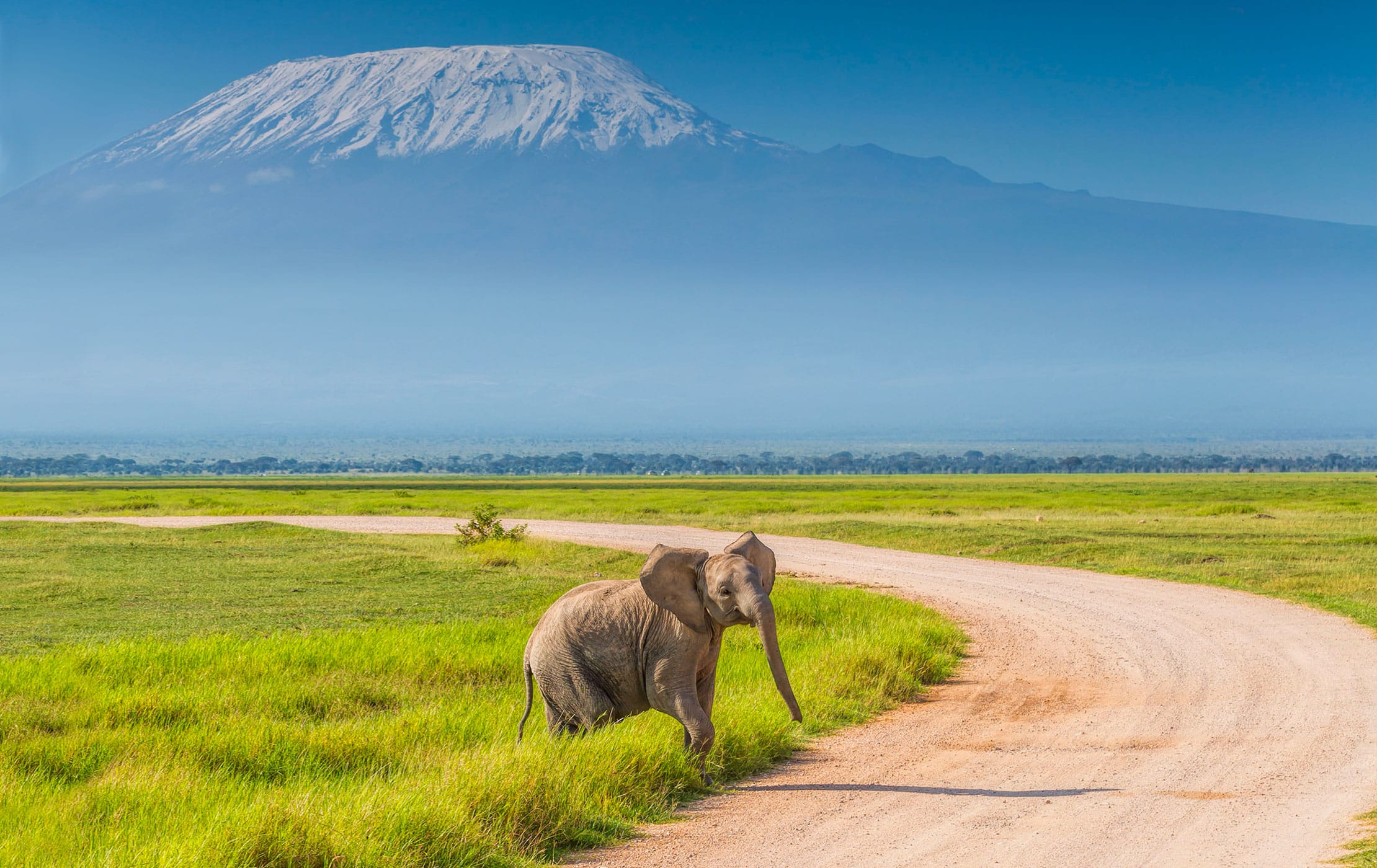
Days 5–8 – The Legendary Maasai Mara
Our flight destination today is deep inside Maasai Mara where we will stay at Governors’ II Moran Camp which offers luxurious tented rooms with all facilities near grasslands full of wildlife. Even before leaving for this trip, I am sure that your first game drive will make you see some lazy lions, busy elephants and elegant giraffes feeding here and there. And if by any chance we are there during the Great Migration, then get ready for one of its kind experience watching thousands wildebeests crossing river that surpass every other known description of grand event! Visits to Maasai villages provide additional insight into this unfolding natural spectacle.
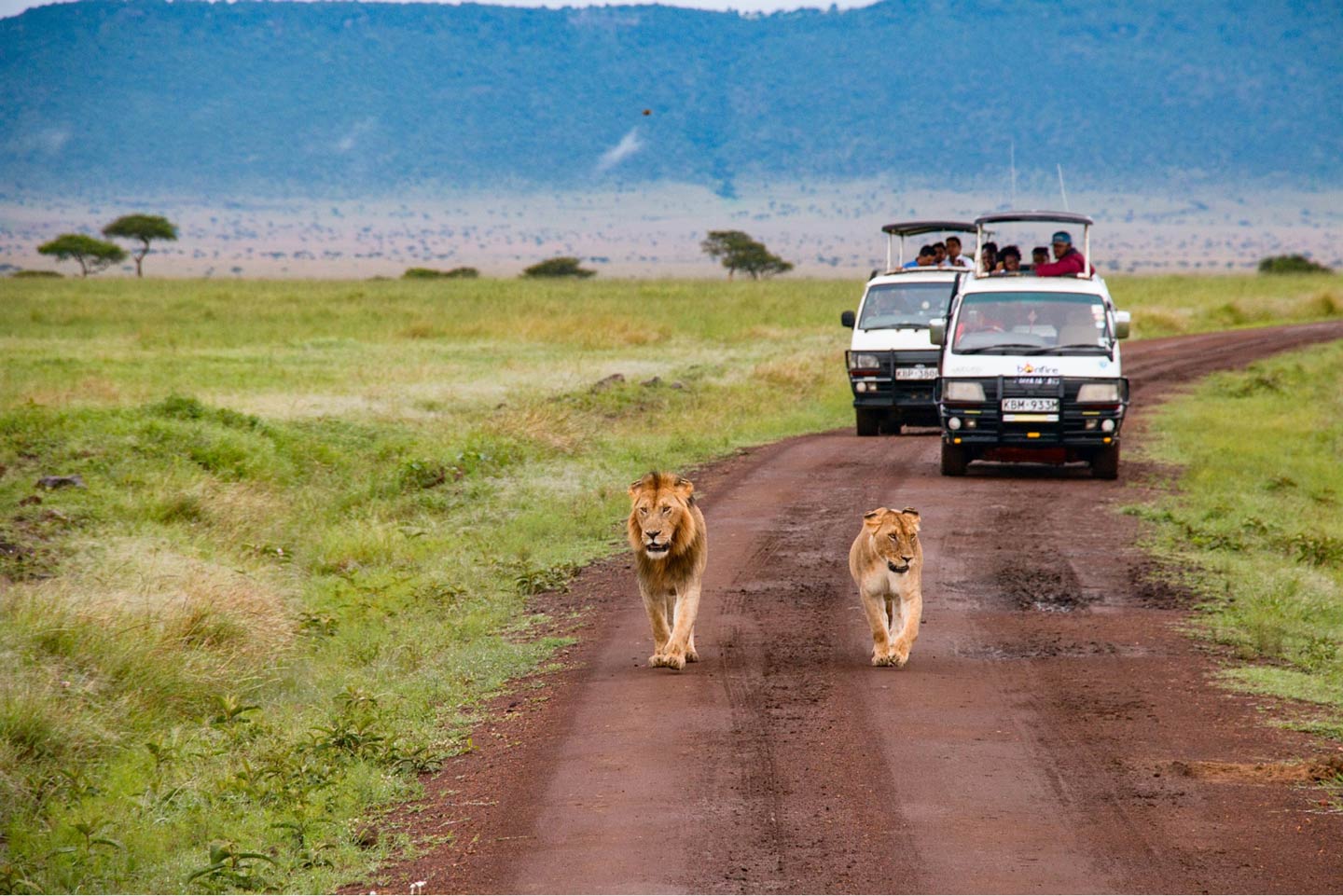
On Day 8, depending on the package, you may transfer onward to a serene retreat at Loldia House on Lake Naivasha ideal for bird watchers, boat lovers, or simply soaking the Rift Valley ambiance before departure.
Highlights That Set It Apart
- Breakfast with giraffes a moments-to-remember experience that defines this package.
- Luxury lodges embedded in prime ecosystems, accompanied by knowledgeable guides.
- Charter flights that save time and elevate the experience.
- Conservation & culture woven into every corner from Giraffe Centre lessons to Maasai traditions.
- All-inclusive simplicity meals, transfers, entrance fees, flights, and expert guiding are bundled in.
Insider Tips from Your Guide
- Book early: The manor is exceptionally popular. Some say to reserve 12–18 months ahead especially if planning for a specific travel window.
- Combine to unlock access: Staying at multiple Safari Collection properties (e.g., Giraffe Manor + others) gives better availability.
- Wellness bonus: If you’re squeezing this experience between flights, “The Retreat” offers day-room and wellness facilities a spa, sauna, infinity pool where giraffes may peer over your shoulder ideal for decompressing.
Final Thoughts
Just picture this for a moment; you wake up and see giraffes right beside your window, move through the wide African spaces and then have a drink while watching the sun setting in Mara. This is more than just a holiday package but an integrated blend of nature experience, comfort, environment conversation and history storyline. It will be a great pleasure for me to accompany you step by step as we move across this; because once you do that, you are now part and parcel of what Kenya is all about today.
In case you require some customized itinerary feel free to ask me. When are the best months? What may I combine with this: Mombasa or anything else?
Travel Blog
Amazing things to do in Dubai for the ultimate holiday
Posted by: Diana Gasper
Burj Khalifa
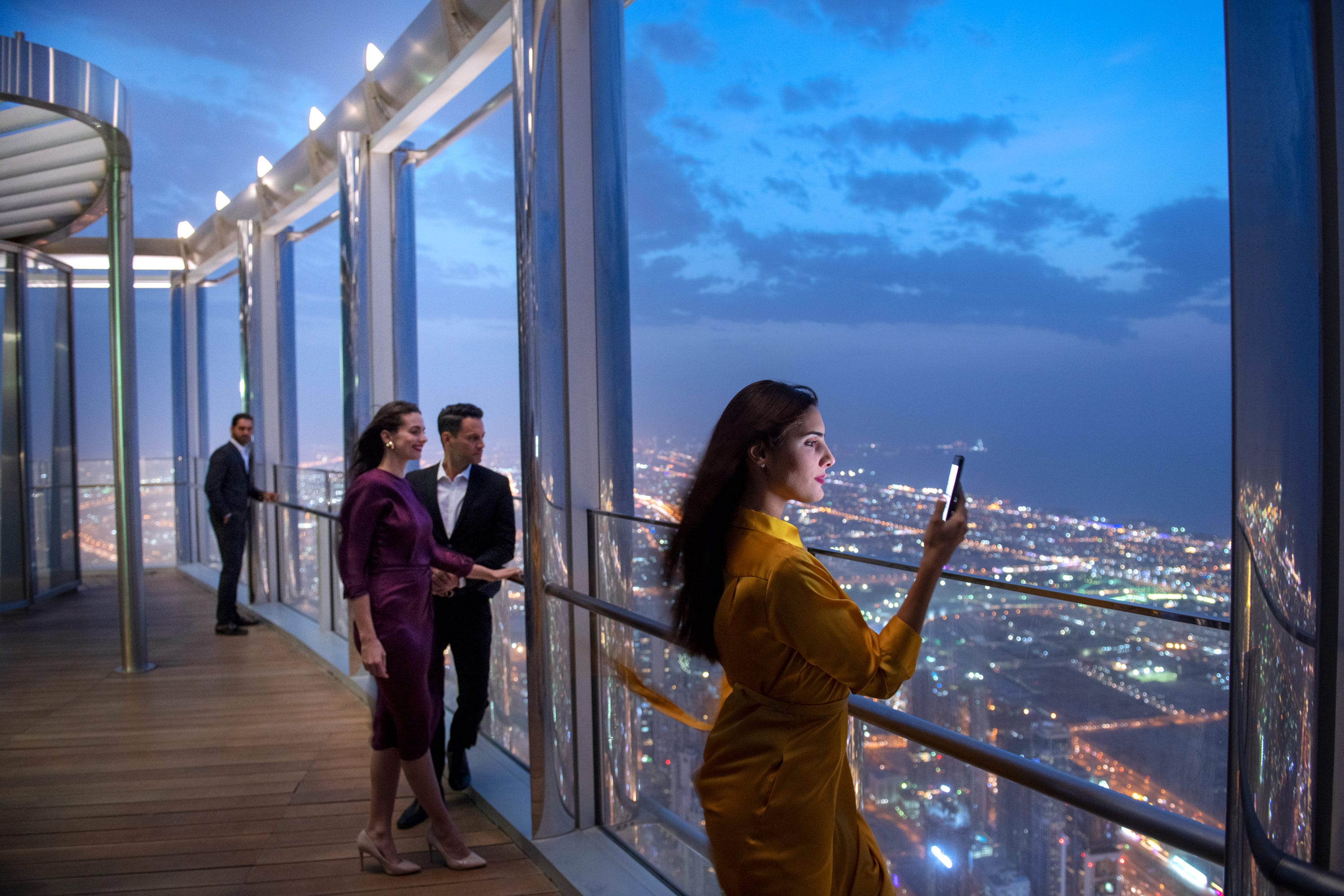
Standing 828m high, the Burj Khalifa is the tallest building in the world and one of Dubai's must-visit attractions. The majestic building is located in the heart of the city and is a hub of activity day and night. Just looking up in awe at the sheer scale of this magnificent structure is memorable in itself, but it's definitely worth venturing inside too. You can capture perfect views of the city from the observation deck at levels 124 and 125, or have a bite to eat in the At The Top Sky Lounge. For special occasions, treat yourself to a sunset session at The Lounge, Burj Khalifa, the highest lounge in the world at 585m.
The Dubai Fountain
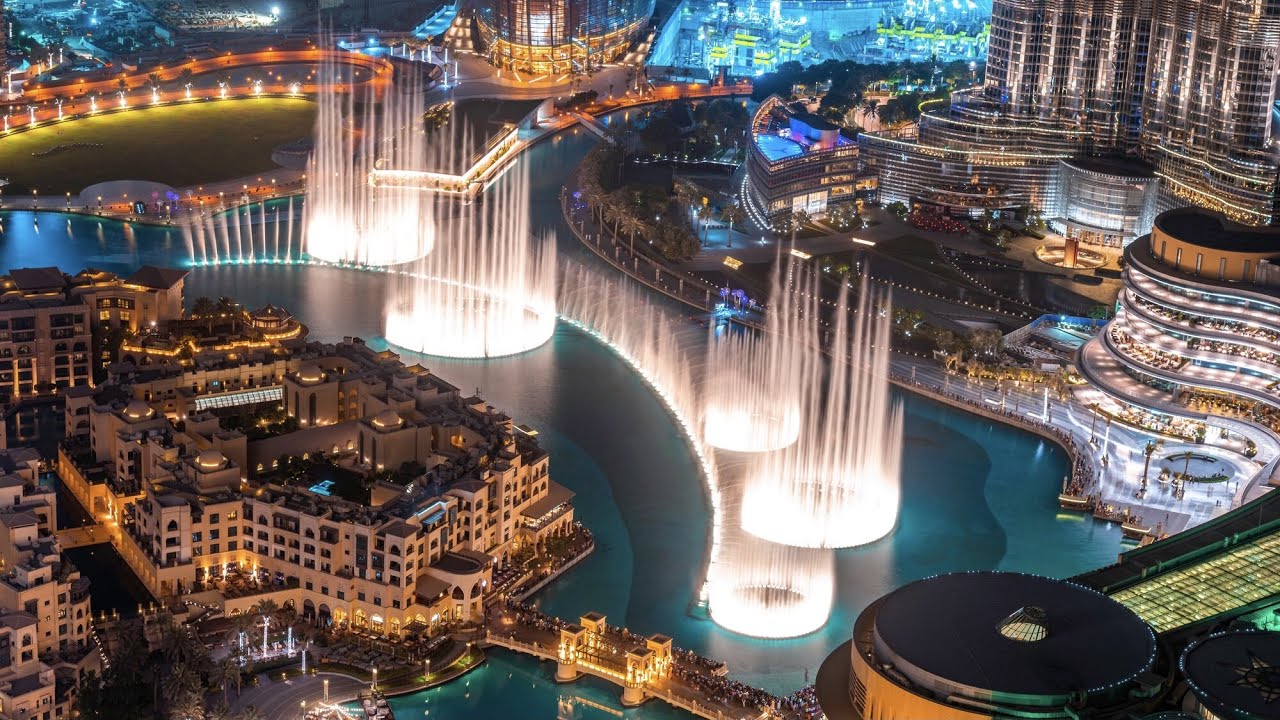
Located at the base of Burj Khalifa is one of the world's largest choreographed fountain displays, where powerful jet streams soar as high as 150m in the air and sway in time to musical numbers. Stop by in the evening when displays begin at sundown and take place every 30 minutes, until the final song plays at 11pm. Diners can also sit back and enjoy the show at an array of restaurants at Dubai Mall or Souk Al Bahar, both commanding prime positions near the fountain arena.
Palm Jumeirah
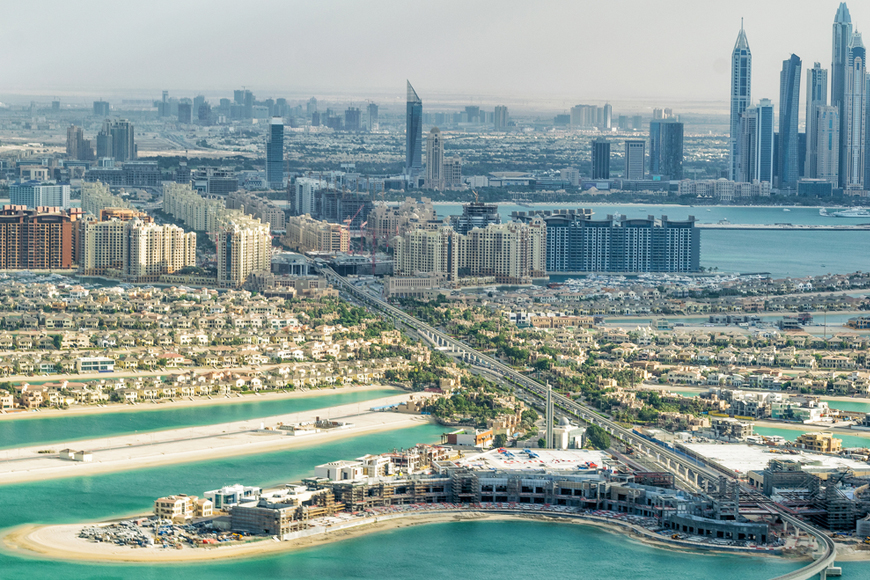
Palm Jumeirah is one of the largest manmade islands in the world and a triumph of human ingenuity. Locals and tourists alike flock to its vast array of high-end hotels – Waldorf Astoria, Fairmont, One&Only, Jumeirah Zabeel Saray and, perhaps most notably, Atlantis, The Palm. Getting here is simple, thanks to the monorail running down the 'trunk', which connects to the mainland's tram system. You can also stop by for a meal at The Pointe – home of the record-breaking Palm Fountain.
The Dubai desert
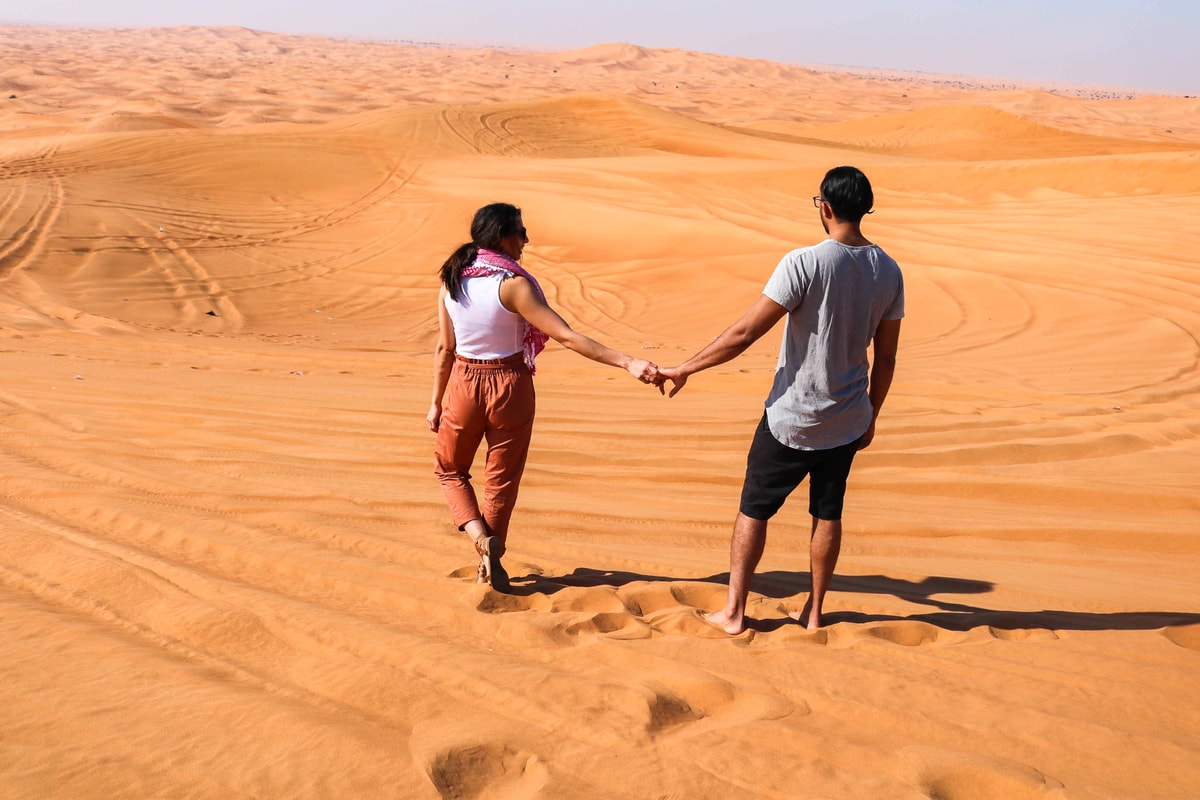
Less than a 20 minute-drive from the modern streets of Downtown Dubai lies the mystique-filled Arabian desert. Go on a Dubai-style desert safari, complete with thrilling activities such as quad biking and sandboarding. Those looking for luxury can book a safari with leading tour companies Platinum Heritage and Arabian Adventures. From the unforgettable offroad drive to cultural fun with henna painting and camel rides, and a feast of local cuisine under the stars, it's an only-in-Dubai treat. Want to stay a little longer? Treat yourself to an unforgettable night amid the dunes at Al Maha Desert Resort & Spa.
Skydive Duba
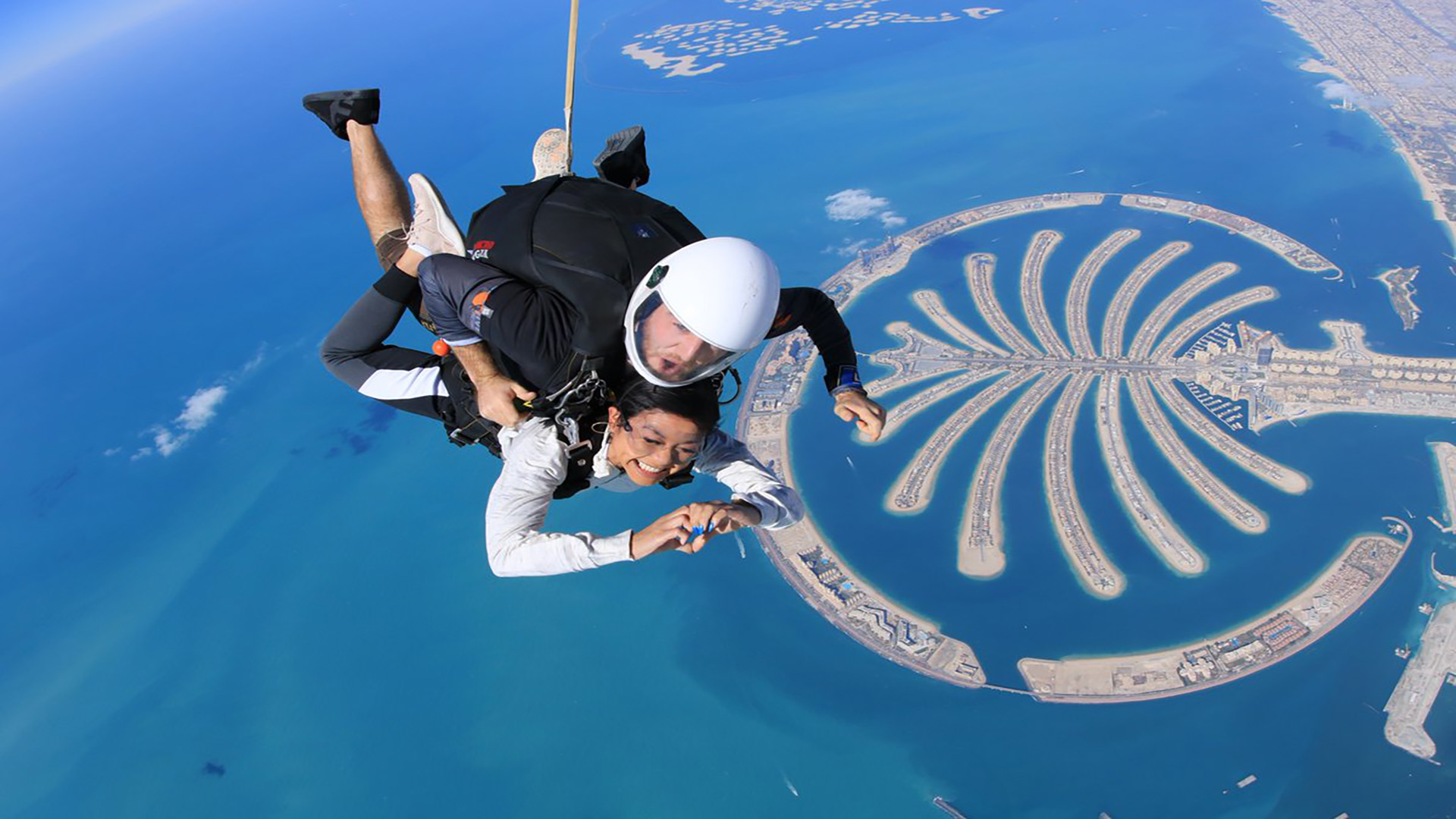
If there's one thing every adventure-seeker must sign up for, it's a skydiving experience. Skydive Dubai provides tandem skydive opportunities, supervised by trained professionals. You'll have to book well in advance to secure a spot, but it's worth it as you dive through the clouds from 13,000 feet and take in views of the landmark Palm Jumeirah or rolling dunes of the desert. And you can keep reliving the epic experience thanks to perfectly-captured videos by the Skydive Dubai team. It's one for every braveheart's bucket list.
Travel Blog
Short stories about what you need to know before visit Israel
Posted by: Diana Gasper
Let’s start with this because this is what confused me before I went! Due to the political situation and complications around who owns the land, there are multiple names for different areas.
Again, I’m definitely not an expert so I’m not going to say what terms are correct and incorrect (different countries, NGOs and world organisations use different terms) but I’ll just explain them in the most basic of ways to give you a better understanding. If there’s anything here that you believe is factually incorrect, please let me know!
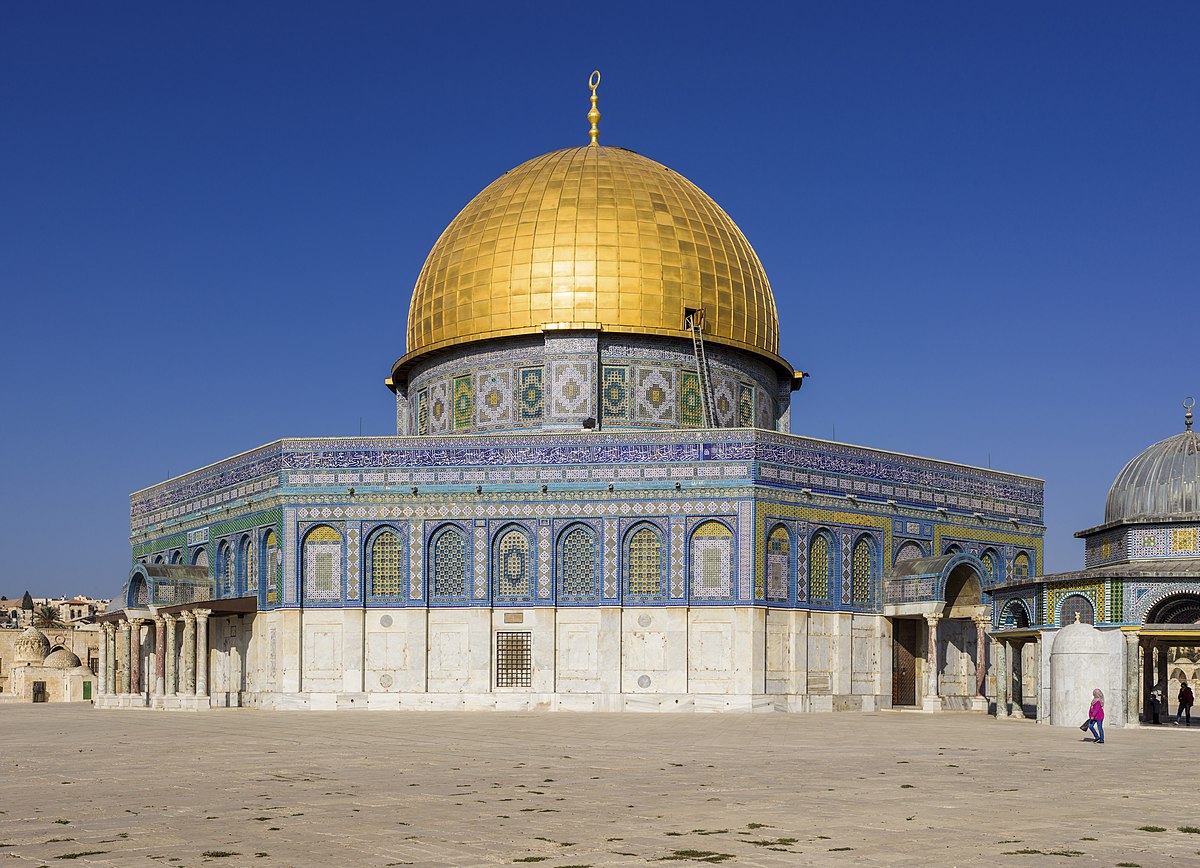
According to the United Nations, Israel is a country and is recognised as a full member of the UN. Most of the Americas, Europe and Australasia recognise Israel as a country too, as well as central and southern Africa, and most Asian countries. Major cities in Israel include Tel Aviv, Haifa, Nazareth, Eilat and Jerusalem to name a few (but we’ll get more into East Jerusalem a bit later).
Countries with large Muslim populations however, like others in the Middle East, northern Africa, Indonesia and Malaysia, generally do not recognise Israel as a state, do not allow Israeli passport holders to visit, and do not let their citizens travel to Israel.
Then there’s Palestine. Palestine is a non-member observer state of the United Nations, and is recognised as a state by 138 of the 193 members of the UN.
Most of the remaining members (who are mainly in North America, Australasia and Western Europe) generally support a solution to the conflict where both Israel and Palestine become fully recognised, but have existing relationships with Israel which could become tense if they recognised Palestine.
The Occupied Palestinian Territories is a common term used by the UN, the EU and other global organisations to describe geographical regions where large numbers of Palestinians live and that have Palestinian governing bodies, but where Israel is the occupying power. The two distinct territories are the Gaza Strip and the West Bank.

The Gaza Strip is something I definitely want to learn more about but I spent most of my week exploring the West Bank instead.
In 2005 Israel removed their forces and Israeli settlements (predominantly Jewish Israeli citizens inhabiting the land they believe to be theirs) from the Gaza Strip and now say that they no longer occupy the land, however the majority of Gaza’s borders, its coast and its airspace are controlled by Israel, meaning Gaza’s inhabitants have no actual governance. The Gaza Strip is technically governed by the Hamas party, who often engage in violent attacks with Israeli forces.
The West Bank occupied territory, including East Jerusalem, is located along the western bank of the River Jordan. Major cities in the West Bank include East Jerusalem, Ramallah, Hebron and Bethlehem.
The Palestinian National Authority, the governing body of this region, recognises the West Bank as a part of Palestine’s sovereign nation, and therefore believes that Israeli military occupation and settlements are illegal. This view is also held by many countries and global bodies around the world, however a resolution has not yet been reached.
TOLD YOU IT WAS CONFUSING! Terminology is one of the key things to know before you go to Israel, so hopefully this gives you a head start.
Travel Blog
Is Israel safe place to visit? What is it Like and Safety Tips for Tourists
Posted by: Diana Gasper
Despite what you see in the news, Israel is actually a very safe country to travel to. In fact, in a recent study, Israel was actually ranked as the fifth safest country in the world for tourists to travel to, trumping the UK, the US, and most European countries!
It’s easy to associate all of Israel with Gaza and the West Bank. But you must remember that these aren’t areas where most people live. They certainly aren’t the areas that travelers visit. The main tourist areas- Tel Aviv, Jerusalem, the Negev, Nazareth, the Dead Sea – remain as safe as always.
What is the security situation now?
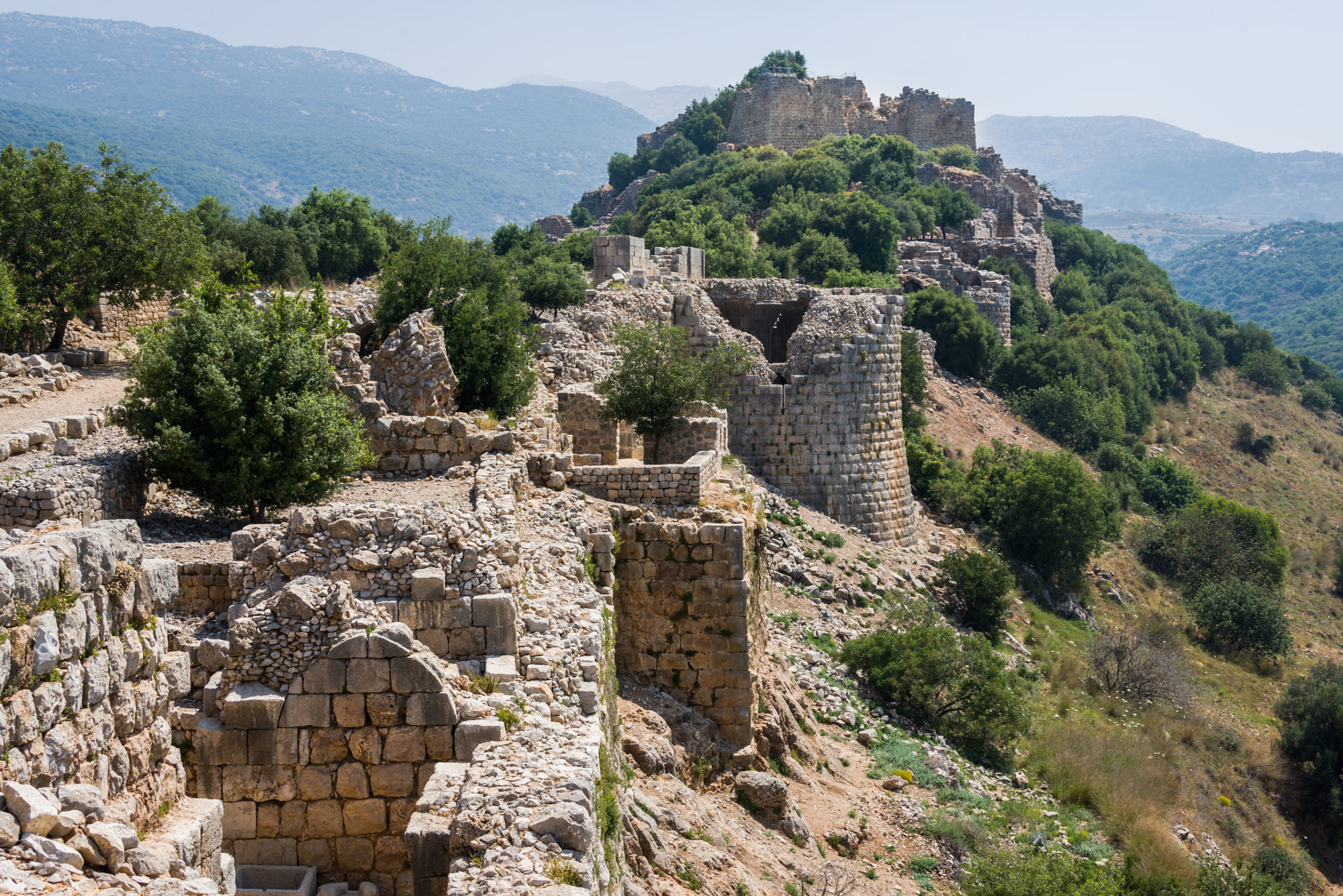
Israel is in a continuous state of conflict with Hezbollah in Lebanon and Hamas in Gaza. Every once in a while, after the conflict starts brewing, there is a small “war” or operation. During these small wars, rockets are fired at Israel. The rockets are generally fired at the south or north of Israel, depending on who the conflict is with. Occasionally, rockets are aimed at more central parts of Israel. Israel has a very effective defense system called the Iron Dome, which intercepts rockets. As an extra caution, there are sirens in specific areas to warn citizens to take cover in a bomb shelter, or a “miklat.” In usual times, these operations occur no more than once or twice a year for a couple of days.
How does this impact tourism?
It’s understandable to be cautious about traveling to Israel considering how the conflict appears on world news. However, it’s statistically very safe to travel in Israel. Personal safety in Israel is always incredibly high and crime very low, especially when compared to many Western countries and cities. In regards to crime, traveling in Israel is actually safer than staying at home in the UK, USA, or most other western countries.
That being said, there are parts of Israel that are not safe to travel to. All travelers are advised against traveling to Gaza, and the area surrounding the Gaza strip.
Tourists should also be very vigilant when traveling in the West Bank or East Jerusalem, including the city of Bethlehem. While the area is safe for tourists, transport can be tricky therefore travelers are encouraged to only go to these areas as part of an organized tour.


Subscribe Now
Want to know about